
View More Blogs

Product Listings

The Product Detail Page Playbook: Turn Browsers into Buyers With Conversion-Ready Listings

Product Listing Optimization Playbook for Higher Conversions and Rankings

Every profitable product page does the same thing. It answers the shopper’s questions before they even ask, reduces friction at every step, and makes the decision feel obvious. Most listings fail because they try to impress the algorithm instead of helping the human. In this playbook, you will learn how to design product listings that search engines reward and customers trust. If you want a quick refresher on the fundamentals, start with the guide titled Amazon Listing Optimization and SEO Guide, then keep a tab open for the walkthrough titled Amazon Product Listing Optimization. For a 2025 lens on what is working now, scan The 2025 Product Listing Blueprint and the playbook titled Images, Keywords, Psychology That Sell. When you are ready to scale, connect your listings to paid traffic using An Introduction to PPC.

Explore the XENA blog hub

Start with a title that mirrors shopper intent

Your title is the first filter a shopper uses to decide if your product fits their need. Think of it as a promise that previews the outcome, not a bucket for every keyword. For a structured approach, follow the steps in Amazon Product Listing Optimization and learn how to translate search intent with Mastering Amazon Keyword Research. If your category is crowded, review the checklist inside The Hidden Triggers Behind Amazon’s Buy Box in 2025 so operational gaps do not cost you visibility.

XENA tip. Use XENA’s Listing Optimizer to generate multiple high intent title variations and predict likely click performance using category level patterns. If you are new to testing language, set your foundations with Amazon SEO Guide: Keyword Research and Listing Optimization.
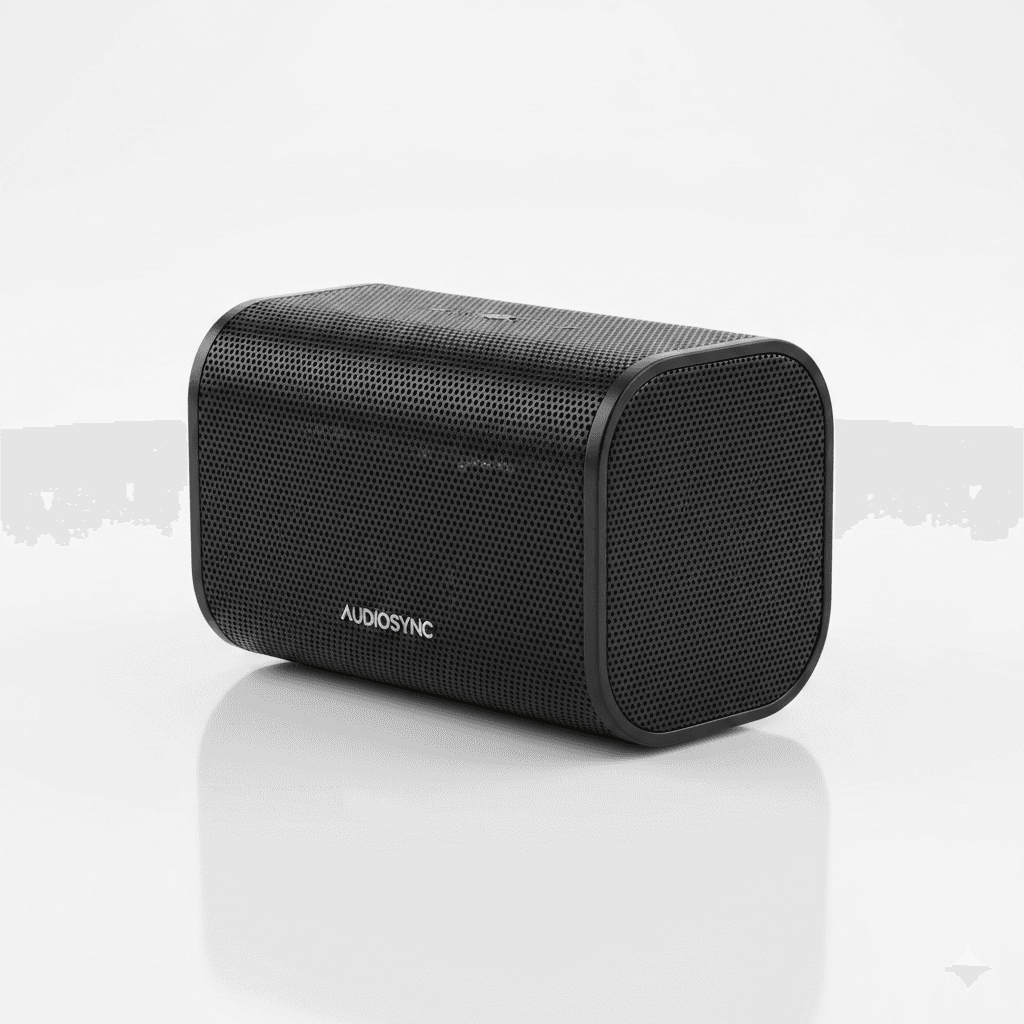

Hero images that answer the top objection

Shoppers should understand what your product is, how big it is, and how it is used by looking at the first two images. Start with a clean hero, then show context and scale. For a practical gallery blueprint, study The 2025 Product Listing Playbook and borrow patterns from Advanced Product Listing Strategies to standardize angles, lighting, and detail callouts across your catalog.
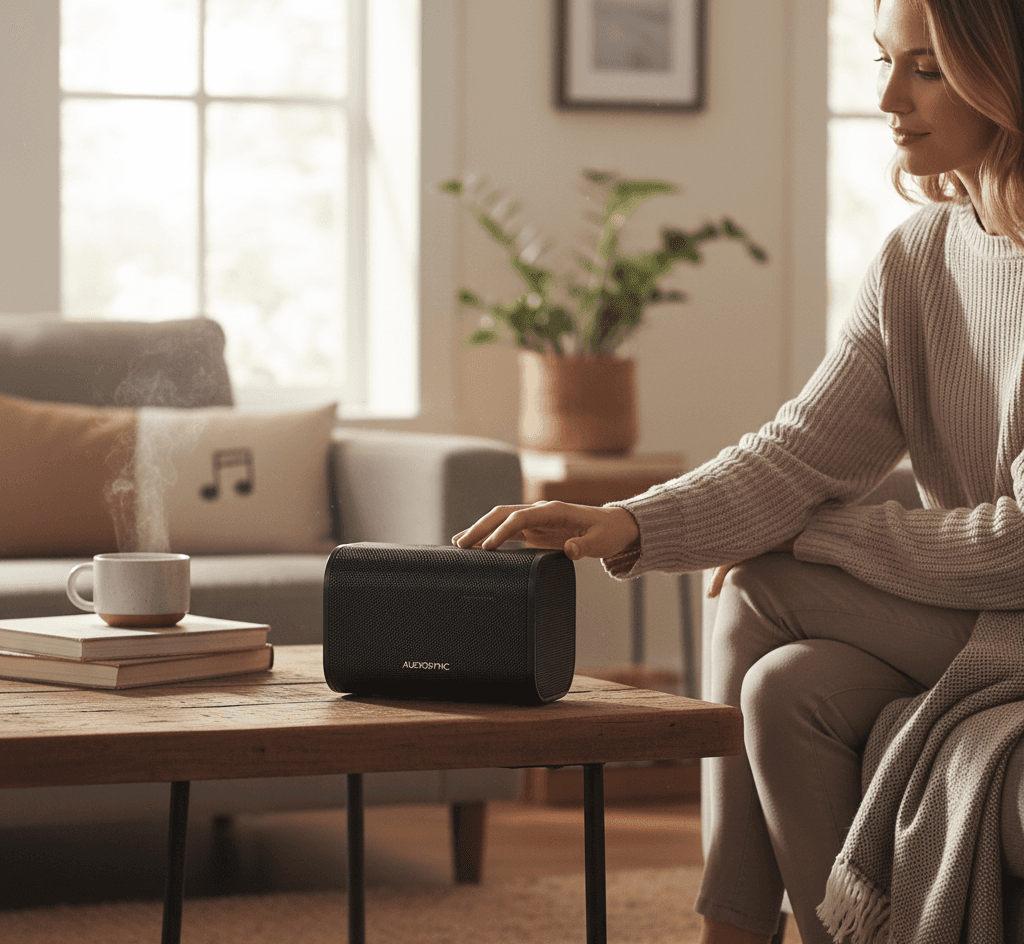

Bullet section that actually converts

That short feature block above the fold should read like an elevator pitch. Convert features into outcomes and quantify claims. For examples of outcome based phrasing, compare sections in Amazon Product Listing Optimization and the frameworks in The 2025 Product Listing Blueprint. Map your bullets to the most common pre purchase questions you see in reviews and Q&A.

Description and A+ content as decision insurance

Your enhanced content is where you eliminate lingering anxieties. Break the story into short sections that mirror the questions real buyers ask. If you have not updated modules recently, read Amazon A+ Content in 2025 to see recommended modules and storytelling patterns. If you manage many SKUs, reuse structured blocks without losing authenticity using the guidance in Advanced Product Listing Strategies.

Keywords that map to real searches

Great listings are multilingual in the language of the buyer. Use primary keywords in your title and lead bullets, then distribute secondary phrases throughout the PDP. Build a practical research workflow with Amazon SEO Guide: Keyword Research and Listing Optimization and deepen coverage with Maximizing Sales Potential: Mastering Amazon Listing Keywords. If you also run ads, connect your organic terms to the playbook titled An Introduction to PPC.

XENA tip. XENA’s predictive keyword engine analyzes hourly search behavior to surface rising phrases before they peak. For a primer on how AI accelerates research and iteration, read Generative AI in Ecommerce.

Pricing that feels fair and strategic

Price sends a trust signal before a shopper reads a word. Anchor premium positioning with materials, warranty, and outcomes, or make value tangible with bundles and clear comparisons. In competitive spaces, pair your offer architecture with The 2026 Amazon PPC Growth Stack and anticipate objections using Ecommerce Nightmare: 5 Pain Points Every Amazon Seller Faces.

Reviews and social proof that answer anxieties

Curate reviews that speak to fit, durability, and setup. Respond calmly to critical feedback and make fixes clear. For the operational levers that protect your rating and buy box share, revisit The Hidden Triggers Behind Amazon’s Buy Box in 2025.

Mobile first layout for real world buying

More than half of shoppers experience your listing on a small screen. Test gallery order, copy, and CTAs on mobile before you finalize desktop. For layout priorities, return to The 2025 Product Listing Blueprint and mirror the information sequence that speeds decisions.

Variations, bundles, and cross sell strategy

Variations help shoppers find the right fit without leaving your page, but only when the options are truly comparable. Plan variation families with Advanced Product Listing Strategies and structure bundles using the frameworks in Amazon Product Listing Optimization. If ads support your launch, align with 5 Amazon PPC Strategies to Outrank Competitors so margin stays protected while you ramp.

Operational excellence that shoppers can feel

Fast delivery, clean packaging, and clear instructions are part of your listing even if they are not visible on screen. For a checklist of behind the scenes variables that influence conversion and buy box, pair The Hidden Triggers Behind Amazon’s Buy Box in 2025 with the field notes inside Ecommerce Nightmare: 5 Pain Points Every Amazon Seller Faces.

How to put this into action this week

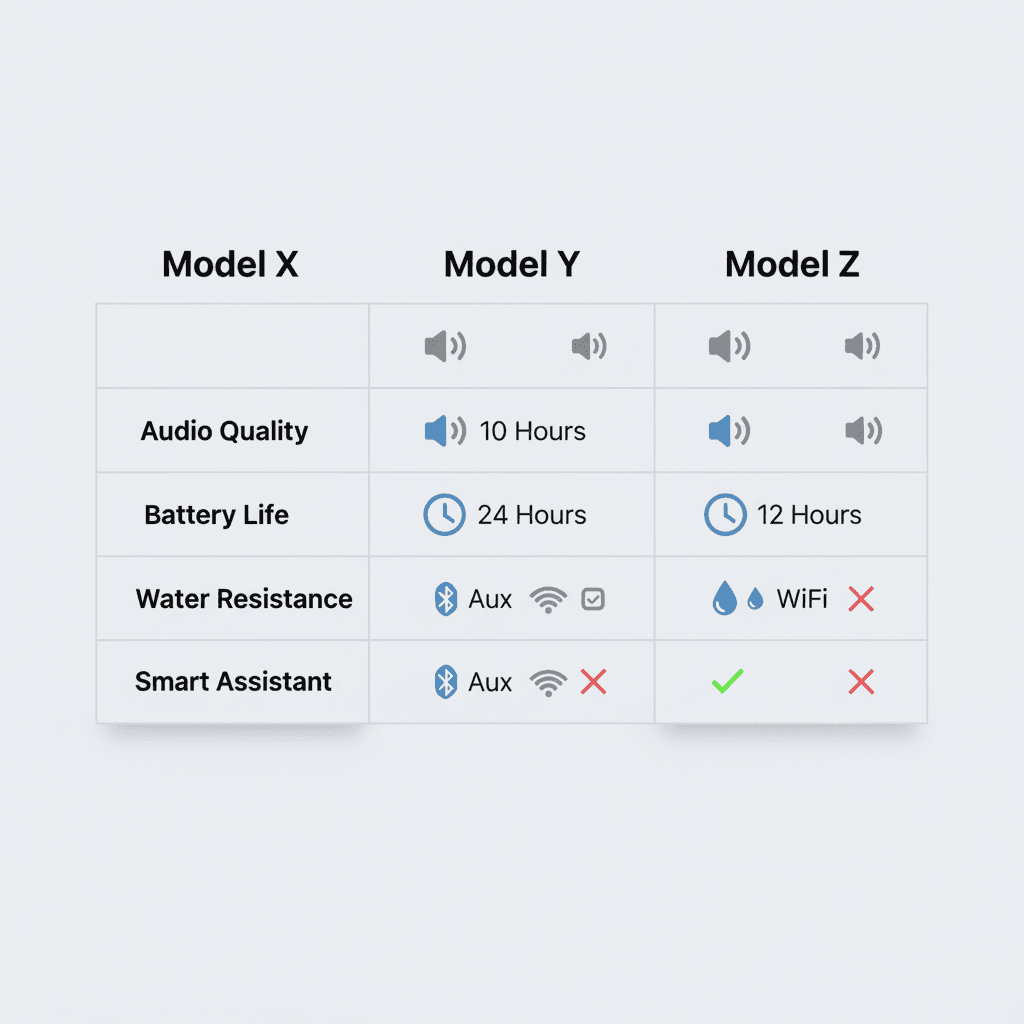
Pick your top listing and audit it against the sections above. Rewrite the title to lead with buyer intent. Replace one image with an in use scene that resolves the most common objection. Refresh your fifth bullet to answer the question that causes the most cart drop off. Add a mini comparison chart that clarifies which model is right for whom. Identify two rising keywords and integrate them naturally into copy. If you want help prioritizing, the XENA Listing Optimizer can score impact versus effort so you focus on changes that move revenue, not just rankings. When you are ready to layer in ads, connect your organic wins to paid efficiency using An Introduction to PPC and the systems in The 2026 Amazon PPC Growth Stack.

Conclusion

A high converting product detail page is a system. Titles set relevance, images build trust, bullets translate features into outcomes, and enhanced content removes doubt. When your keywords match real searches and your price matches perceived value, conversion compounds. Combine these fundamentals with data driven iteration and your listings will keep performing even as the market shifts. For more examples and templates, keep Amazon Product Listing Optimization handy and bookmark Amazon SEO Guide: Keyword Research and Listing Optimization for fast updates as demand changes.

Every profitable product page does the same thing. It answers the shopper’s questions before they even ask, reduces friction at every step, and makes the decision feel obvious. Most listings fail because they try to impress the algorithm instead of helping the human. In this playbook, you will learn how to design product listings that search engines reward and customers trust. If you want a quick refresher on the fundamentals, start with the guide titled Amazon Listing Optimization and SEO Guide, then keep a tab open for the walkthrough titled Amazon Product Listing Optimization. For a 2025 lens on what is working now, scan The 2025 Product Listing Blueprint and the playbook titled Images, Keywords, Psychology That Sell. When you are ready to scale, connect your listings to paid traffic using An Introduction to PPC.

Explore the XENA blog hub

Start with a title that mirrors shopper intent

Your title is the first filter a shopper uses to decide if your product fits their need. Think of it as a promise that previews the outcome, not a bucket for every keyword. For a structured approach, follow the steps in Amazon Product Listing Optimization and learn how to translate search intent with Mastering Amazon Keyword Research. If your category is crowded, review the checklist inside The Hidden Triggers Behind Amazon’s Buy Box in 2025 so operational gaps do not cost you visibility.

XENA tip. Use XENA’s Listing Optimizer to generate multiple high intent title variations and predict likely click performance using category level patterns. If you are new to testing language, set your foundations with Amazon SEO Guide: Keyword Research and Listing Optimization.


Hero images that answer the top objection

Shoppers should understand what your product is, how big it is, and how it is used by looking at the first two images. Start with a clean hero, then show context and scale. For a practical gallery blueprint, study The 2025 Product Listing Playbook and borrow patterns from Advanced Product Listing Strategies to standardize angles, lighting, and detail callouts across your catalog.


Bullet section that actually converts

That short feature block above the fold should read like an elevator pitch. Convert features into outcomes and quantify claims. For examples of outcome based phrasing, compare sections in Amazon Product Listing Optimization and the frameworks in The 2025 Product Listing Blueprint. Map your bullets to the most common pre purchase questions you see in reviews and Q&A.

Description and A+ content as decision insurance

Your enhanced content is where you eliminate lingering anxieties. Break the story into short sections that mirror the questions real buyers ask. If you have not updated modules recently, read Amazon A+ Content in 2025 to see recommended modules and storytelling patterns. If you manage many SKUs, reuse structured blocks without losing authenticity using the guidance in Advanced Product Listing Strategies.


Keywords that map to real searches

Great listings are multilingual in the language of the buyer. Use primary keywords in your title and lead bullets, then distribute secondary phrases throughout the PDP. Build a practical research workflow with Amazon SEO Guide: Keyword Research and Listing Optimization and deepen coverage with Maximizing Sales Potential: Mastering Amazon Listing Keywords. If you also run ads, connect your organic terms to the playbook titled An Introduction to PPC.

XENA tip. XENA’s predictive keyword engine analyzes hourly search behavior to surface rising phrases before they peak. For a primer on how AI accelerates research and iteration, read Generative AI in Ecommerce.

Pricing that feels fair and strategic

Price sends a trust signal before a shopper reads a word. Anchor premium positioning with materials, warranty, and outcomes, or make value tangible with bundles and clear comparisons. In competitive spaces, pair your offer architecture with The 2026 Amazon PPC Growth Stack and anticipate objections using Ecommerce Nightmare: 5 Pain Points Every Amazon Seller Faces.

Reviews and social proof that answer anxieties

Curate reviews that speak to fit, durability, and setup. Respond calmly to critical feedback and make fixes clear. For the operational levers that protect your rating and buy box share, revisit The Hidden Triggers Behind Amazon’s Buy Box in 2025.

Mobile first layout for real world buying

More than half of shoppers experience your listing on a small screen. Test gallery order, copy, and CTAs on mobile before you finalize desktop. For layout priorities, return to The 2025 Product Listing Blueprint and mirror the information sequence that speeds decisions.

Variations, bundles, and cross sell strategy

Variations help shoppers find the right fit without leaving your page, but only when the options are truly comparable. Plan variation families with Advanced Product Listing Strategies and structure bundles using the frameworks in Amazon Product Listing Optimization. If ads support your launch, align with 5 Amazon PPC Strategies to Outrank Competitors so margin stays protected while you ramp.

Operational excellence that shoppers can feel

Fast delivery, clean packaging, and clear instructions are part of your listing even if they are not visible on screen. For a checklist of behind the scenes variables that influence conversion and buy box, pair The Hidden Triggers Behind Amazon’s Buy Box in 2025 with the field notes inside Ecommerce Nightmare: 5 Pain Points Every Amazon Seller Faces.

How to put this into action this week

Pick your top listing and audit it against the sections above. Rewrite the title to lead with buyer intent. Replace one image with an in use scene that resolves the most common objection. Refresh your fifth bullet to answer the question that causes the most cart drop off. Add a mini comparison chart that clarifies which model is right for whom. Identify two rising keywords and integrate them naturally into copy. If you want help prioritizing, the XENA Listing Optimizer can score impact versus effort so you focus on changes that move revenue, not just rankings. When you are ready to layer in ads, connect your organic wins to paid efficiency using An Introduction to PPC and the systems in The 2026 Amazon PPC Growth Stack.

Conclusion

A high converting product detail page is a system. Titles set relevance, images build trust, bullets translate features into outcomes, and enhanced content removes doubt. When your keywords match real searches and your price matches perceived value, conversion compounds. Combine these fundamentals with data driven iteration and your listings will keep performing even as the market shifts. For more examples and templates, keep Amazon Product Listing Optimization handy and bookmark Amazon SEO Guide: Keyword Research and Listing Optimization for fast updates as demand changes.
Every profitable product page does the same thing. It answers the shopper’s questions before they even ask, reduces friction at every step, and makes the decision feel obvious. Most listings fail because they try to impress the algorithm instead of helping the human. In this playbook, you will learn how to design product listings that search engines reward and customers trust. If you want a quick refresher on the fundamentals, start with the guide titled Amazon Listing Optimization and SEO Guide, then keep a tab open for the walkthrough titled Amazon Product Listing Optimization. For a 2025 lens on what is working now, scan The 2025 Product Listing Blueprint and the playbook titled Images, Keywords, Psychology That Sell. When you are ready to scale, connect your listings to paid traffic using An Introduction to PPC.

Explore the XENA blog hub

Start with a title that mirrors shopper intent

Your title is the first filter a shopper uses to decide if your product fits their need. Think of it as a promise that previews the outcome, not a bucket for every keyword. For a structured approach, follow the steps in Amazon Product Listing Optimization and learn how to translate search intent with Mastering Amazon Keyword Research. If your category is crowded, review the checklist inside The Hidden Triggers Behind Amazon’s Buy Box in 2025 so operational gaps do not cost you visibility.

XENA tip. Use XENA’s Listing Optimizer to generate multiple high intent title variations and predict likely click performance using category level patterns. If you are new to testing language, set your foundations with Amazon SEO Guide: Keyword Research and Listing Optimization.


Hero images that answer the top objection

Shoppers should understand what your product is, how big it is, and how it is used by looking at the first two images. Start with a clean hero, then show context and scale. For a practical gallery blueprint, study The 2025 Product Listing Playbook and borrow patterns from Advanced Product Listing Strategies to standardize angles, lighting, and detail callouts across your catalog.


Bullet section that actually converts

That short feature block above the fold should read like an elevator pitch. Convert features into outcomes and quantify claims. For examples of outcome based phrasing, compare sections in Amazon Product Listing Optimization and the frameworks in The 2025 Product Listing Blueprint. Map your bullets to the most common pre purchase questions you see in reviews and Q&A.

Description and A+ content as decision insurance

Your enhanced content is where you eliminate lingering anxieties. Break the story into short sections that mirror the questions real buyers ask. If you have not updated modules recently, read Amazon A+ Content in 2025 to see recommended modules and storytelling patterns. If you manage many SKUs, reuse structured blocks without losing authenticity using the guidance in Advanced Product Listing Strategies.


Keywords that map to real searches

Great listings are multilingual in the language of the buyer. Use primary keywords in your title and lead bullets, then distribute secondary phrases throughout the PDP. Build a practical research workflow with Amazon SEO Guide: Keyword Research and Listing Optimization and deepen coverage with Maximizing Sales Potential: Mastering Amazon Listing Keywords. If you also run ads, connect your organic terms to the playbook titled An Introduction to PPC.

XENA tip. XENA’s predictive keyword engine analyzes hourly search behavior to surface rising phrases before they peak. For a primer on how AI accelerates research and iteration, read Generative AI in Ecommerce.

Pricing that feels fair and strategic

Price sends a trust signal before a shopper reads a word. Anchor premium positioning with materials, warranty, and outcomes, or make value tangible with bundles and clear comparisons. In competitive spaces, pair your offer architecture with The 2026 Amazon PPC Growth Stack and anticipate objections using Ecommerce Nightmare: 5 Pain Points Every Amazon Seller Faces.

Reviews and social proof that answer anxieties

Curate reviews that speak to fit, durability, and setup. Respond calmly to critical feedback and make fixes clear. For the operational levers that protect your rating and buy box share, revisit The Hidden Triggers Behind Amazon’s Buy Box in 2025.

Mobile first layout for real world buying

More than half of shoppers experience your listing on a small screen. Test gallery order, copy, and CTAs on mobile before you finalize desktop. For layout priorities, return to The 2025 Product Listing Blueprint and mirror the information sequence that speeds decisions.

Variations, bundles, and cross sell strategy

Variations help shoppers find the right fit without leaving your page, but only when the options are truly comparable. Plan variation families with Advanced Product Listing Strategies and structure bundles using the frameworks in Amazon Product Listing Optimization. If ads support your launch, align with 5 Amazon PPC Strategies to Outrank Competitors so margin stays protected while you ramp.

Operational excellence that shoppers can feel

Fast delivery, clean packaging, and clear instructions are part of your listing even if they are not visible on screen. For a checklist of behind the scenes variables that influence conversion and buy box, pair The Hidden Triggers Behind Amazon’s Buy Box in 2025 with the field notes inside Ecommerce Nightmare: 5 Pain Points Every Amazon Seller Faces.

How to put this into action this week

Pick your top listing and audit it against the sections above. Rewrite the title to lead with buyer intent. Replace one image with an in use scene that resolves the most common objection. Refresh your fifth bullet to answer the question that causes the most cart drop off. Add a mini comparison chart that clarifies which model is right for whom. Identify two rising keywords and integrate them naturally into copy. If you want help prioritizing, the XENA Listing Optimizer can score impact versus effort so you focus on changes that move revenue, not just rankings. When you are ready to layer in ads, connect your organic wins to paid efficiency using An Introduction to PPC and the systems in The 2026 Amazon PPC Growth Stack.

Conclusion

A high converting product detail page is a system. Titles set relevance, images build trust, bullets translate features into outcomes, and enhanced content removes doubt. When your keywords match real searches and your price matches perceived value, conversion compounds. Combine these fundamentals with data driven iteration and your listings will keep performing even as the market shifts. For more examples and templates, keep Amazon Product Listing Optimization handy and bookmark Amazon SEO Guide: Keyword Research and Listing Optimization for fast updates as demand changes.

Every profitable product page does the same thing. It answers the shopper’s questions before they even ask, reduces friction at every step, and makes the decision feel obvious. Most listings fail because they try to impress the algorithm instead of helping the human. In this playbook, you will learn how to design product listings that search engines reward and customers trust. If you want a quick refresher on the fundamentals, start with the guide titled Amazon Listing Optimization and SEO Guide, then keep a tab open for the walkthrough titled Amazon Product Listing Optimization. For a 2025 lens on what is working now, scan The 2025 Product Listing Blueprint and the playbook titled Images, Keywords, Psychology That Sell. When you are ready to scale, connect your listings to paid traffic using An Introduction to PPC.

Explore the XENA blog hub

Start with a title that mirrors shopper intent

Your title is the first filter a shopper uses to decide if your product fits their need. Think of it as a promise that previews the outcome, not a bucket for every keyword. For a structured approach, follow the steps in Amazon Product Listing Optimization and learn how to translate search intent with Mastering Amazon Keyword Research. If your category is crowded, review the checklist inside The Hidden Triggers Behind Amazon’s Buy Box in 2025 so operational gaps do not cost you visibility.

XENA tip. Use XENA’s Listing Optimizer to generate multiple high intent title variations and predict likely click performance using category level patterns. If you are new to testing language, set your foundations with Amazon SEO Guide: Keyword Research and Listing Optimization.


Hero images that answer the top objection

Shoppers should understand what your product is, how big it is, and how it is used by looking at the first two images. Start with a clean hero, then show context and scale. For a practical gallery blueprint, study The 2025 Product Listing Playbook and borrow patterns from Advanced Product Listing Strategies to standardize angles, lighting, and detail callouts across your catalog.


Bullet section that actually converts

That short feature block above the fold should read like an elevator pitch. Convert features into outcomes and quantify claims. For examples of outcome based phrasing, compare sections in Amazon Product Listing Optimization and the frameworks in The 2025 Product Listing Blueprint. Map your bullets to the most common pre purchase questions you see in reviews and Q&A.

Description and A+ content as decision insurance

Your enhanced content is where you eliminate lingering anxieties. Break the story into short sections that mirror the questions real buyers ask. If you have not updated modules recently, read Amazon A+ Content in 2025 to see recommended modules and storytelling patterns. If you manage many SKUs, reuse structured blocks without losing authenticity using the guidance in Advanced Product Listing Strategies.


Keywords that map to real searches

Great listings are multilingual in the language of the buyer. Use primary keywords in your title and lead bullets, then distribute secondary phrases throughout the PDP. Build a practical research workflow with Amazon SEO Guide: Keyword Research and Listing Optimization and deepen coverage with Maximizing Sales Potential: Mastering Amazon Listing Keywords. If you also run ads, connect your organic terms to the playbook titled An Introduction to PPC.

XENA tip. XENA’s predictive keyword engine analyzes hourly search behavior to surface rising phrases before they peak. For a primer on how AI accelerates research and iteration, read Generative AI in Ecommerce.

Pricing that feels fair and strategic

Price sends a trust signal before a shopper reads a word. Anchor premium positioning with materials, warranty, and outcomes, or make value tangible with bundles and clear comparisons. In competitive spaces, pair your offer architecture with The 2026 Amazon PPC Growth Stack and anticipate objections using Ecommerce Nightmare: 5 Pain Points Every Amazon Seller Faces.

Reviews and social proof that answer anxieties

Curate reviews that speak to fit, durability, and setup. Respond calmly to critical feedback and make fixes clear. For the operational levers that protect your rating and buy box share, revisit The Hidden Triggers Behind Amazon’s Buy Box in 2025.

Mobile first layout for real world buying

More than half of shoppers experience your listing on a small screen. Test gallery order, copy, and CTAs on mobile before you finalize desktop. For layout priorities, return to The 2025 Product Listing Blueprint and mirror the information sequence that speeds decisions.

Variations, bundles, and cross sell strategy

Variations help shoppers find the right fit without leaving your page, but only when the options are truly comparable. Plan variation families with Advanced Product Listing Strategies and structure bundles using the frameworks in Amazon Product Listing Optimization. If ads support your launch, align with 5 Amazon PPC Strategies to Outrank Competitors so margin stays protected while you ramp.

Operational excellence that shoppers can feel

Fast delivery, clean packaging, and clear instructions are part of your listing even if they are not visible on screen. For a checklist of behind the scenes variables that influence conversion and buy box, pair The Hidden Triggers Behind Amazon’s Buy Box in 2025 with the field notes inside Ecommerce Nightmare: 5 Pain Points Every Amazon Seller Faces.

How to put this into action this week

Pick your top listing and audit it against the sections above. Rewrite the title to lead with buyer intent. Replace one image with an in use scene that resolves the most common objection. Refresh your fifth bullet to answer the question that causes the most cart drop off. Add a mini comparison chart that clarifies which model is right for whom. Identify two rising keywords and integrate them naturally into copy. If you want help prioritizing, the XENA Listing Optimizer can score impact versus effort so you focus on changes that move revenue, not just rankings. When you are ready to layer in ads, connect your organic wins to paid efficiency using An Introduction to PPC and the systems in The 2026 Amazon PPC Growth Stack.

Conclusion

A high converting product detail page is a system. Titles set relevance, images build trust, bullets translate features into outcomes, and enhanced content removes doubt. When your keywords match real searches and your price matches perceived value, conversion compounds. Combine these fundamentals with data driven iteration and your listings will keep performing even as the market shifts. For more examples and templates, keep Amazon Product Listing Optimization handy and bookmark Amazon SEO Guide: Keyword Research and Listing Optimization for fast updates as demand changes.

Ready to Take Your E-Commerce Growth to the Next Level?

Discover how XENA helps brands and sellers optimize listings, boost visibility, and stay ahead in competitive marketplaces.

Book a Meeting

2025 XENA Intelligence Inc.

Louisville, Kentucky

2025 XENA Intelligence Inc.

Louisville, Kentucky