
Shoppers do not read listings. They scan, then decide. Your job is to make that scan effortless and convincing. In 2026 the best Amazon listings combine precise keyword intent, scannable structure, rich media that answers objections, and social proof that compounds. This playbook shows you how to assemble those pieces so ranking and conversion move together. We will also show where XENA Intelligence fits so your team spends less time guessing and more time growing.
Start with search intent, not keywords
Great listings begin with a clear thesis. What is the primary job your product does for a shopper and which search terms reflect that job today. Map one listing to one core outcome. Use long tail terms to support the main phrase rather than distract from it. Aim to echo the shopper’s own language in your title and first image text. If you already run paid campaigns, your search term reports are a goldmine. Tie your copy choices to what people actually typed before they purchased. For omnichannel brands, align this thesis with what you promise on social and retail to avoid mixed signals. If you need a framework for channel alignment, this guide on the 90 day social commerce plan breaks down how to keep marketplace messaging consistent with your top of funnel stories. Link: https://xenaintelligence.com/blog/the-90-day-social-commerce-expansion-plan-from-marketplace-dependence-to-omnichannel-momentum
Title and bullets that persuade in seven seconds
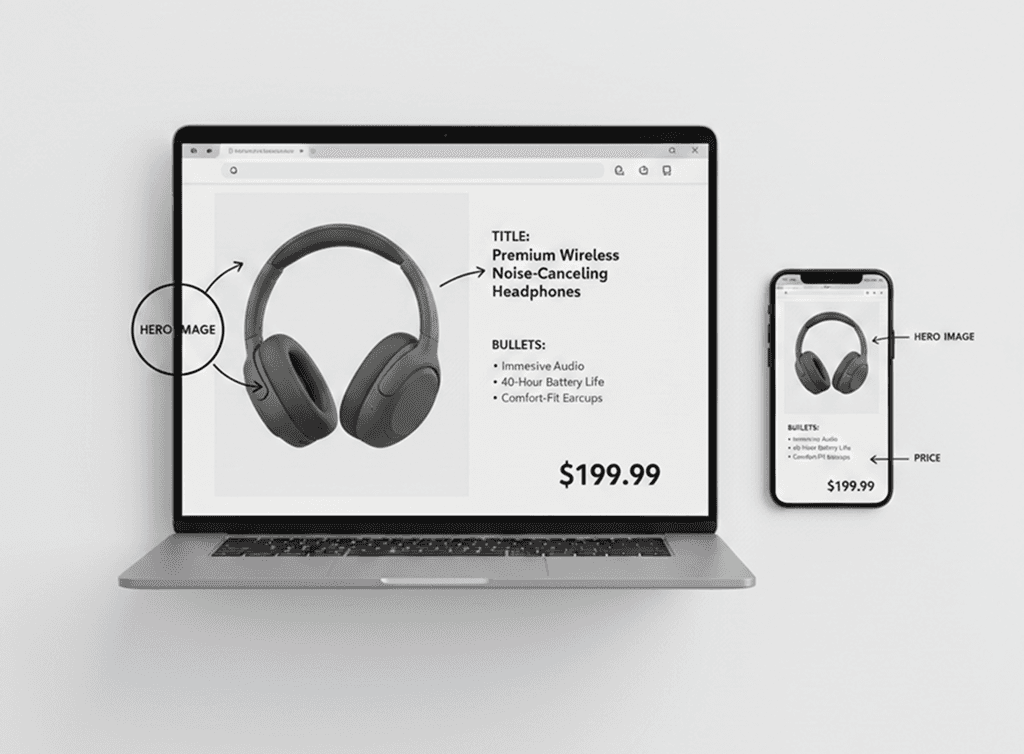
Your title should deliver the three essentials. What it is, who it is for, and the single differentiator. Do not wedge every feature into the title. Reserve supporting benefits for bullets. Lead the first bullet with the result the shopper wants, not the spec. Follow with proof that you can deliver that result. Think lab certifications, measurable outcomes, or sourcing details. Keep each bullet to a single idea. End with a confidence closer like warranty or customer support availability. If your brand sells multiple variants, use parentage to let shoppers self select without forcing them to back out of the page.
Make images do the heavy lifting
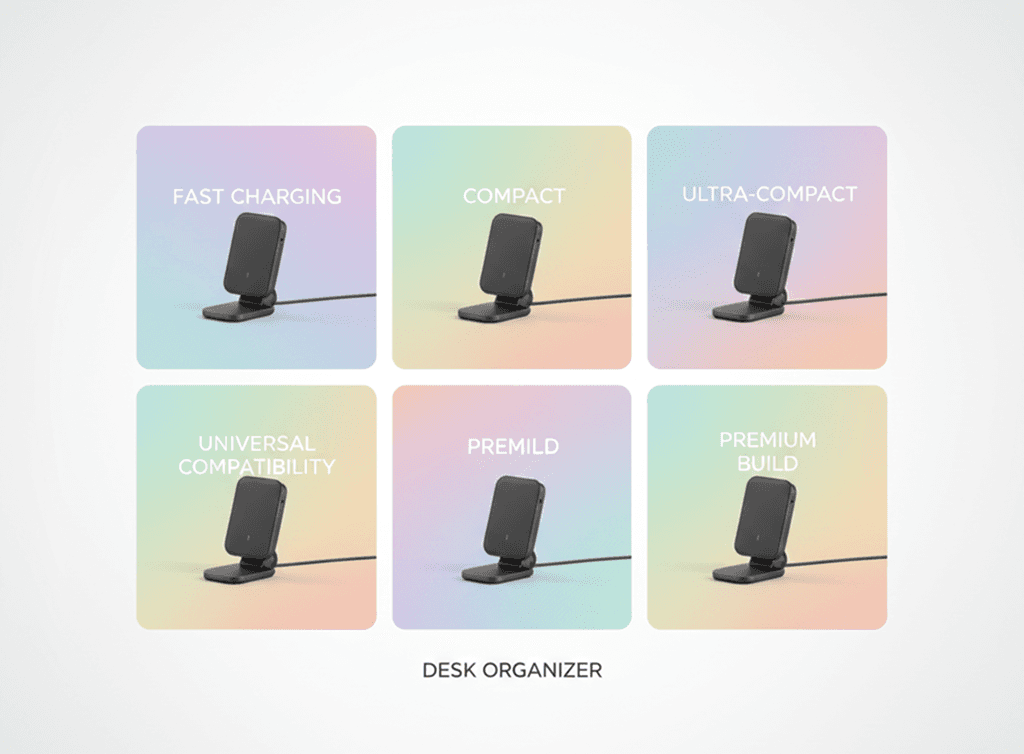
Most conversion wins come from images. Your first image must be crisp and compliant. After that, build a narrative. Use one image to show scale, one to highlight the hero benefit in plain language, one to answer an objection like installation or fit, and one to show lifestyle in context. Infographics should be clean and legible on mobile. If your category depends on technical specs, dedicate a panel to a simple comparison that shows where you are better. Treat captions like mini headlines that can stand alone in a shopper’s scroll. If photography is not feasible for every angle, use high quality 3D renders, but keep textures realistic and lighting consistent.
A Plus content that answers post click questions
A Plus is not a brochure. It is the second pitch after your images hook the shopper. Structure it to cover three beats. Clarify the core problem your product solves. Demonstrate how the design or formulation solves it. Reduce risk by addressing care, compatibility, or returns. Use a short brand story only if it deepens trust or proves expertise. If you manage many SKUs, create reusable modules so your team can update a single source of truth. This is also where you can weave in cross sell logic that respects the shopper’s immediate need. Inventory strategy influences what you promote here. For a deeper dive on using inventory signals to guide merchandising, read this piece on inventory as a growth lever. Link: https://xenaintelligence.com/blog/inventory-as-a-growth-lever-in-2026-predictive-demand-and-smart-allocation
Video that removes friction
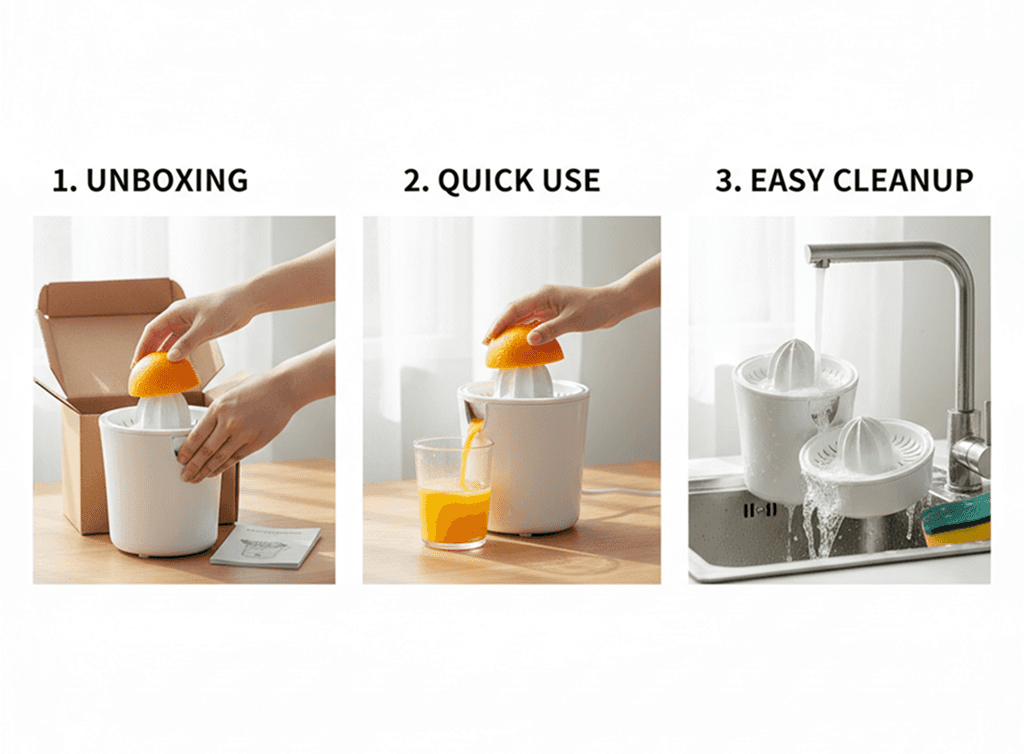
Short video can lift conversion when it removes effort. Show the product in the first two seconds. State the outcome in on screen text. Demonstrate the top use case with real hands in real environments. Add a voiceover only if it clarifies steps or care. End with a simple call to action that mirrors your title and first bullet. If your product is seasonal or size sensitive, include a sizing or fit moment. Keep sound optional because many shoppers watch on mute.
Reviews that compound and protect rank
Review velocity is a health metric. Focus on predictable, policy compliant programs that earn consistent feedback rather than spikes. Post purchase education reduces returns and increases thoughtful reviews. Use inserts that teach, not just ask. Answer the top three objections in your images and bullets to prevent negative reviews that stem from confusion. As you expand into new regions, plan for cultural nuances. Language and visual expectations shift across markets. This cross border playbook explains how to adapt pricing and positioning when you sell globally. Link: https://xenaintelligence.com/blog/cross-border-ecommerce-in-2025-how-brands-can-expand-globally
Measure what matters and iterate weekly
Listing optimization is not a one time project. Track glance views to sessions, detail page conversion rate, buy box share, unit session percentage, and add to cart rate. Correlate changes to creative with shifts in these metrics, not just top line sales. When traffic becomes expensive, conversion improvements often beat additional spend. Keeping a tight test cadence is the difference between guessing and scaling. If you need a systems view of how AI can coordinate these moving parts, this overview of how XENA is modernizing ecommerce will help you see the bigger picture. Link: https://xenaintelligence.com/blog/how-xena-is-revolutionizing-ecommerce-with-ai
Where XENA Intelligence fits
XENA Intelligence brings three layers that simplify this playbook. The predictive analytics layer identifies keywords with high purchase intent and flags content gaps by SKU. The hourly optimization engine adjusts featured content, promotions, and ad bids so your listing variants are always matched to real demand signals. The expert support layer turns data into a weekly test plan for titles, images, and A Plus modules. If your team wants a single workspace that connects search intent, creative testing, and inventory rules, XENA can centralize the workflow so you can ship improvements faster and with less risk.
Conclusion
Winning listings are built like great storefronts. Clear value at the door, a path that answers questions in order, and proof that buyers like you are happy. When you align your title, bullets, media, and reviews around one promise, ranking and conversions move together. With XENA Intelligence handling the data and test cadence, you can focus on storytelling that earns trust and keeps customers coming back.
Shoppers do not read listings. They scan, then decide. Your job is to make that scan effortless and convincing. In 2026 the best Amazon listings combine precise keyword intent, scannable structure, rich media that answers objections, and social proof that compounds. This playbook shows you how to assemble those pieces so ranking and conversion move together. We will also show where XENA Intelligence fits so your team spends less time guessing and more time growing.

Start with search intent, not keywords
Great listings begin with a clear thesis. What is the primary job your product does for a shopper and which search terms reflect that job today. Map one listing to one core outcome. Use long tail terms to support the main phrase rather than distract from it. Aim to echo the shopper’s own language in your title and first image text. If you already run paid campaigns, your search term reports are a goldmine. Tie your copy choices to what people actually typed before they purchased. For omnichannel brands, align this thesis with what you promise on social and retail to avoid mixed signals. If you need a framework for channel alignment, this guide on the 90 day social commerce plan breaks down how to keep marketplace messaging consistent with your top of funnel stories. Link: https://xenaintelligence.com/blog/the-90-day-social-commerce-expansion-plan-from-marketplace-dependence-to-omnichannel-momentum
Title and bullets that persuade in seven seconds
Your title should deliver the three essentials. What it is, who it is for, and the single differentiator. Do not wedge every feature into the title. Reserve supporting benefits for bullets. Lead the first bullet with the result the shopper wants, not the spec. Follow with proof that you can deliver that result. Think lab certifications, measurable outcomes, or sourcing details. Keep each bullet to a single idea. End with a confidence closer like warranty or customer support availability. If your brand sells multiple variants, use parentage to let shoppers self select without forcing them to back out of the page.

Make images do the heavy lifting
Most conversion wins come from images. Your first image must be crisp and compliant. After that, build a narrative. Use one image to show scale, one to highlight the hero benefit in plain language, one to answer an objection like installation or fit, and one to show lifestyle in context. Infographics should be clean and legible on mobile. If your category depends on technical specs, dedicate a panel to a simple comparison that shows where you are better. Treat captions like mini headlines that can stand alone in a shopper’s scroll. If photography is not feasible for every angle, use high quality 3D renders, but keep textures realistic and lighting consistent.
A Plus content that answers post click questions
A Plus is not a brochure. It is the second pitch after your images hook the shopper. Structure it to cover three beats. Clarify the core problem your product solves. Demonstrate how the design or formulation solves it. Reduce risk by addressing care, compatibility, or returns. Use a short brand story only if it deepens trust or proves expertise. If you manage many SKUs, create reusable modules so your team can update a single source of truth. This is also where you can weave in cross sell logic that respects the shopper’s immediate need. Inventory strategy influences what you promote here. For a deeper dive on using inventory signals to guide merchandising, read this piece on inventory as a growth lever. Link: https://xenaintelligence.com/blog/inventory-as-a-growth-lever-in-2026-predictive-demand-and-smart-allocation
Video that removes friction
Short video can lift conversion when it removes effort. Show the product in the first two seconds. State the outcome in on screen text. Demonstrate the top use case with real hands in real environments. Add a voiceover only if it clarifies steps or care. End with a simple call to action that mirrors your title and first bullet. If your product is seasonal or size sensitive, include a sizing or fit moment. Keep sound optional because many shoppers watch on mute.

Reviews that compound and protect rank
Review velocity is a health metric. Focus on predictable, policy compliant programs that earn consistent feedback rather than spikes. Post purchase education reduces returns and increases thoughtful reviews. Use inserts that teach, not just ask. Answer the top three objections in your images and bullets to prevent negative reviews that stem from confusion. As you expand into new regions, plan for cultural nuances. Language and visual expectations shift across markets. This cross border playbook explains how to adapt pricing and positioning when you sell globally. Link: https://xenaintelligence.com/blog/cross-border-ecommerce-in-2025-how-brands-can-expand-globally
Measure what matters and iterate weekly
Listing optimization is not a one time project. Track glance views to sessions, detail page conversion rate, buy box share, unit session percentage, and add to cart rate. Correlate changes to creative with shifts in these metrics, not just top line sales. When traffic becomes expensive, conversion improvements often beat additional spend. Keeping a tight test cadence is the difference between guessing and scaling. If you need a systems view of how AI can coordinate these moving parts, this overview of how XENA is modernizing ecommerce will help you see the bigger picture. Link: https://xenaintelligence.com/blog/how-xena-is-revolutionizing-ecommerce-with-ai
Where XENA Intelligence fits
XENA Intelligence brings three layers that simplify this playbook. The predictive analytics layer identifies keywords with high purchase intent and flags content gaps by SKU. The hourly optimization engine adjusts featured content, promotions, and ad bids so your listing variants are always matched to real demand signals. The expert support layer turns data into a weekly test plan for titles, images, and A Plus modules. If your team wants a single workspace that connects search intent, creative testing, and inventory rules, XENA can centralize the workflow so you can ship improvements faster and with less risk.
Conclusion
Winning listings are built like great storefronts. Clear value at the door, a path that answers questions in order, and proof that buyers like you are happy. When you align your title, bullets, media, and reviews around one promise, ranking and conversions move together. With XENA Intelligence handling the data and test cadence, you can focus on storytelling that earns trust and keeps customers coming back.
Shoppers do not read listings. They scan, then decide. Your job is to make that scan effortless and convincing. In 2026 the best Amazon listings combine precise keyword intent, scannable structure, rich media that answers objections, and social proof that compounds. This playbook shows you how to assemble those pieces so ranking and conversion move together. We will also show where XENA Intelligence fits so your team spends less time guessing and more time growing.

Start with search intent, not keywords
Great listings begin with a clear thesis. What is the primary job your product does for a shopper and which search terms reflect that job today. Map one listing to one core outcome. Use long tail terms to support the main phrase rather than distract from it. Aim to echo the shopper’s own language in your title and first image text. If you already run paid campaigns, your search term reports are a goldmine. Tie your copy choices to what people actually typed before they purchased. For omnichannel brands, align this thesis with what you promise on social and retail to avoid mixed signals. If you need a framework for channel alignment, this guide on the 90 day social commerce plan breaks down how to keep marketplace messaging consistent with your top of funnel stories. Link: https://xenaintelligence.com/blog/the-90-day-social-commerce-expansion-plan-from-marketplace-dependence-to-omnichannel-momentum
Title and bullets that persuade in seven seconds
Your title should deliver the three essentials. What it is, who it is for, and the single differentiator. Do not wedge every feature into the title. Reserve supporting benefits for bullets. Lead the first bullet with the result the shopper wants, not the spec. Follow with proof that you can deliver that result. Think lab certifications, measurable outcomes, or sourcing details. Keep each bullet to a single idea. End with a confidence closer like warranty or customer support availability. If your brand sells multiple variants, use parentage to let shoppers self select without forcing them to back out of the page.

Make images do the heavy lifting
Most conversion wins come from images. Your first image must be crisp and compliant. After that, build a narrative. Use one image to show scale, one to highlight the hero benefit in plain language, one to answer an objection like installation or fit, and one to show lifestyle in context. Infographics should be clean and legible on mobile. If your category depends on technical specs, dedicate a panel to a simple comparison that shows where you are better. Treat captions like mini headlines that can stand alone in a shopper’s scroll. If photography is not feasible for every angle, use high quality 3D renders, but keep textures realistic and lighting consistent.
A Plus content that answers post click questions
A Plus is not a brochure. It is the second pitch after your images hook the shopper. Structure it to cover three beats. Clarify the core problem your product solves. Demonstrate how the design or formulation solves it. Reduce risk by addressing care, compatibility, or returns. Use a short brand story only if it deepens trust or proves expertise. If you manage many SKUs, create reusable modules so your team can update a single source of truth. This is also where you can weave in cross sell logic that respects the shopper’s immediate need. Inventory strategy influences what you promote here. For a deeper dive on using inventory signals to guide merchandising, read this piece on inventory as a growth lever. Link: https://xenaintelligence.com/blog/inventory-as-a-growth-lever-in-2026-predictive-demand-and-smart-allocation
Video that removes friction
Short video can lift conversion when it removes effort. Show the product in the first two seconds. State the outcome in on screen text. Demonstrate the top use case with real hands in real environments. Add a voiceover only if it clarifies steps or care. End with a simple call to action that mirrors your title and first bullet. If your product is seasonal or size sensitive, include a sizing or fit moment. Keep sound optional because many shoppers watch on mute.

Reviews that compound and protect rank
Review velocity is a health metric. Focus on predictable, policy compliant programs that earn consistent feedback rather than spikes. Post purchase education reduces returns and increases thoughtful reviews. Use inserts that teach, not just ask. Answer the top three objections in your images and bullets to prevent negative reviews that stem from confusion. As you expand into new regions, plan for cultural nuances. Language and visual expectations shift across markets. This cross border playbook explains how to adapt pricing and positioning when you sell globally. Link: https://xenaintelligence.com/blog/cross-border-ecommerce-in-2025-how-brands-can-expand-globally
Measure what matters and iterate weekly
Listing optimization is not a one time project. Track glance views to sessions, detail page conversion rate, buy box share, unit session percentage, and add to cart rate. Correlate changes to creative with shifts in these metrics, not just top line sales. When traffic becomes expensive, conversion improvements often beat additional spend. Keeping a tight test cadence is the difference between guessing and scaling. If you need a systems view of how AI can coordinate these moving parts, this overview of how XENA is modernizing ecommerce will help you see the bigger picture. Link: https://xenaintelligence.com/blog/how-xena-is-revolutionizing-ecommerce-with-ai
Where XENA Intelligence fits
XENA Intelligence brings three layers that simplify this playbook. The predictive analytics layer identifies keywords with high purchase intent and flags content gaps by SKU. The hourly optimization engine adjusts featured content, promotions, and ad bids so your listing variants are always matched to real demand signals. The expert support layer turns data into a weekly test plan for titles, images, and A Plus modules. If your team wants a single workspace that connects search intent, creative testing, and inventory rules, XENA can centralize the workflow so you can ship improvements faster and with less risk.
Conclusion
Winning listings are built like great storefronts. Clear value at the door, a path that answers questions in order, and proof that buyers like you are happy. When you align your title, bullets, media, and reviews around one promise, ranking and conversions move together. With XENA Intelligence handling the data and test cadence, you can focus on storytelling that earns trust and keeps customers coming back.
Shoppers do not read listings. They scan, then decide. Your job is to make that scan effortless and convincing. In 2026 the best Amazon listings combine precise keyword intent, scannable structure, rich media that answers objections, and social proof that compounds. This playbook shows you how to assemble those pieces so ranking and conversion move together. We will also show where XENA Intelligence fits so your team spends less time guessing and more time growing.

Start with search intent, not keywords
Great listings begin with a clear thesis. What is the primary job your product does for a shopper and which search terms reflect that job today. Map one listing to one core outcome. Use long tail terms to support the main phrase rather than distract from it. Aim to echo the shopper’s own language in your title and first image text. If you already run paid campaigns, your search term reports are a goldmine. Tie your copy choices to what people actually typed before they purchased. For omnichannel brands, align this thesis with what you promise on social and retail to avoid mixed signals. If you need a framework for channel alignment, this guide on the 90 day social commerce plan breaks down how to keep marketplace messaging consistent with your top of funnel stories. Link: https://xenaintelligence.com/blog/the-90-day-social-commerce-expansion-plan-from-marketplace-dependence-to-omnichannel-momentum
Title and bullets that persuade in seven seconds
Your title should deliver the three essentials. What it is, who it is for, and the single differentiator. Do not wedge every feature into the title. Reserve supporting benefits for bullets. Lead the first bullet with the result the shopper wants, not the spec. Follow with proof that you can deliver that result. Think lab certifications, measurable outcomes, or sourcing details. Keep each bullet to a single idea. End with a confidence closer like warranty or customer support availability. If your brand sells multiple variants, use parentage to let shoppers self select without forcing them to back out of the page.

Make images do the heavy lifting
Most conversion wins come from images. Your first image must be crisp and compliant. After that, build a narrative. Use one image to show scale, one to highlight the hero benefit in plain language, one to answer an objection like installation or fit, and one to show lifestyle in context. Infographics should be clean and legible on mobile. If your category depends on technical specs, dedicate a panel to a simple comparison that shows where you are better. Treat captions like mini headlines that can stand alone in a shopper’s scroll. If photography is not feasible for every angle, use high quality 3D renders, but keep textures realistic and lighting consistent.
A Plus content that answers post click questions
A Plus is not a brochure. It is the second pitch after your images hook the shopper. Structure it to cover three beats. Clarify the core problem your product solves. Demonstrate how the design or formulation solves it. Reduce risk by addressing care, compatibility, or returns. Use a short brand story only if it deepens trust or proves expertise. If you manage many SKUs, create reusable modules so your team can update a single source of truth. This is also where you can weave in cross sell logic that respects the shopper’s immediate need. Inventory strategy influences what you promote here. For a deeper dive on using inventory signals to guide merchandising, read this piece on inventory as a growth lever. Link: https://xenaintelligence.com/blog/inventory-as-a-growth-lever-in-2026-predictive-demand-and-smart-allocation
Video that removes friction
Short video can lift conversion when it removes effort. Show the product in the first two seconds. State the outcome in on screen text. Demonstrate the top use case with real hands in real environments. Add a voiceover only if it clarifies steps or care. End with a simple call to action that mirrors your title and first bullet. If your product is seasonal or size sensitive, include a sizing or fit moment. Keep sound optional because many shoppers watch on mute.

Reviews that compound and protect rank
Review velocity is a health metric. Focus on predictable, policy compliant programs that earn consistent feedback rather than spikes. Post purchase education reduces returns and increases thoughtful reviews. Use inserts that teach, not just ask. Answer the top three objections in your images and bullets to prevent negative reviews that stem from confusion. As you expand into new regions, plan for cultural nuances. Language and visual expectations shift across markets. This cross border playbook explains how to adapt pricing and positioning when you sell globally. Link: https://xenaintelligence.com/blog/cross-border-ecommerce-in-2025-how-brands-can-expand-globally
Measure what matters and iterate weekly
Listing optimization is not a one time project. Track glance views to sessions, detail page conversion rate, buy box share, unit session percentage, and add to cart rate. Correlate changes to creative with shifts in these metrics, not just top line sales. When traffic becomes expensive, conversion improvements often beat additional spend. Keeping a tight test cadence is the difference between guessing and scaling. If you need a systems view of how AI can coordinate these moving parts, this overview of how XENA is modernizing ecommerce will help you see the bigger picture. Link: https://xenaintelligence.com/blog/how-xena-is-revolutionizing-ecommerce-with-ai
Where XENA Intelligence fits
XENA Intelligence brings three layers that simplify this playbook. The predictive analytics layer identifies keywords with high purchase intent and flags content gaps by SKU. The hourly optimization engine adjusts featured content, promotions, and ad bids so your listing variants are always matched to real demand signals. The expert support layer turns data into a weekly test plan for titles, images, and A Plus modules. If your team wants a single workspace that connects search intent, creative testing, and inventory rules, XENA can centralize the workflow so you can ship improvements faster and with less risk.
Conclusion
Winning listings are built like great storefronts. Clear value at the door, a path that answers questions in order, and proof that buyers like you are happy. When you align your title, bullets, media, and reviews around one promise, ranking and conversions move together. With XENA Intelligence handling the data and test cadence, you can focus on storytelling that earns trust and keeps customers coming back.
Trending Blogs

Creative Fatigue in PPC: How to Maintain Ad Performance in 2026

Creative Fatigue in PPC: How to Maintain Ad Performance in 2026

Creative Fatigue in PPC: How to Maintain Ad Performance in 2026

Creative Fatigue in PPC: How to Maintain Ad Performance in 2026

The 2026 Amazon PPC Growth Stack: Creative speed, profit control, and hourly optimization

The 2026 Amazon PPC Growth Stack: Creative speed, profit control, and hourly optimization

The 2026 Amazon PPC Growth Stack: Creative speed, profit control, and hourly optimization

The 2026 Amazon PPC Growth Stack: Creative speed, profit control, and hourly optimization

Win December on Amazon: A Last-Mile Playbook for Holiday Sales

Win December on Amazon: A Last-Mile Playbook for Holiday Sales

Win December on Amazon: A Last-Mile Playbook for Holiday Sales