View More Blogs

Product Listings

The 2026 Product Listing Blueprint: How To Turn Browsers Into Buyers

Product Listing Optimization Blueprint for 2026

Why great listings win in 2026

Shoppers are skimming faster and expecting answers instantly. The product page is where curiosity becomes confidence. Treat it like your highest leverage sales asset, not a static brochure. If you want a quick refresher on the fundamentals, start with this overview of why product listing optimization matters for sustained growth, then come back for the advanced playbook you can apply today.
Link: Stay Ahead of the Game: Product Listing Optimization

Start with a clear promise in the title

Your title is a contract with the shopper. Lead with the core benefit and primary attributes that shoppers actually search for. Avoid cute phrasing that hides the essentials. If you need a step by step walkthrough of research and phrasing, this guide to Amazon SEO and keyword strategy is a strong companion to the advice below.
Link: Everything on Amazon SEO Keywords for Optimizing Your Listings

A quick framework you can reuse

Open with the product type and defining benefit. Follow with size or count if relevant. Add one differentiator the competitor cannot claim. Keep it readable at a glance on mobile. When in doubt, read it aloud and cut any word that does not add clarity.

Write descriptions that resolve objections

Descriptions move a shopper from interest to intent. Focus on use cases and outcomes rather than feature dumps. Anticipate common hesitations like fit, compatibility, or care and address them in plain language. For a deeper dive on voice and structure, you can study this breakdown of compelling titles and descriptions.
Link: How to Create Content that Sells on Amazon


Show more, explain less with images

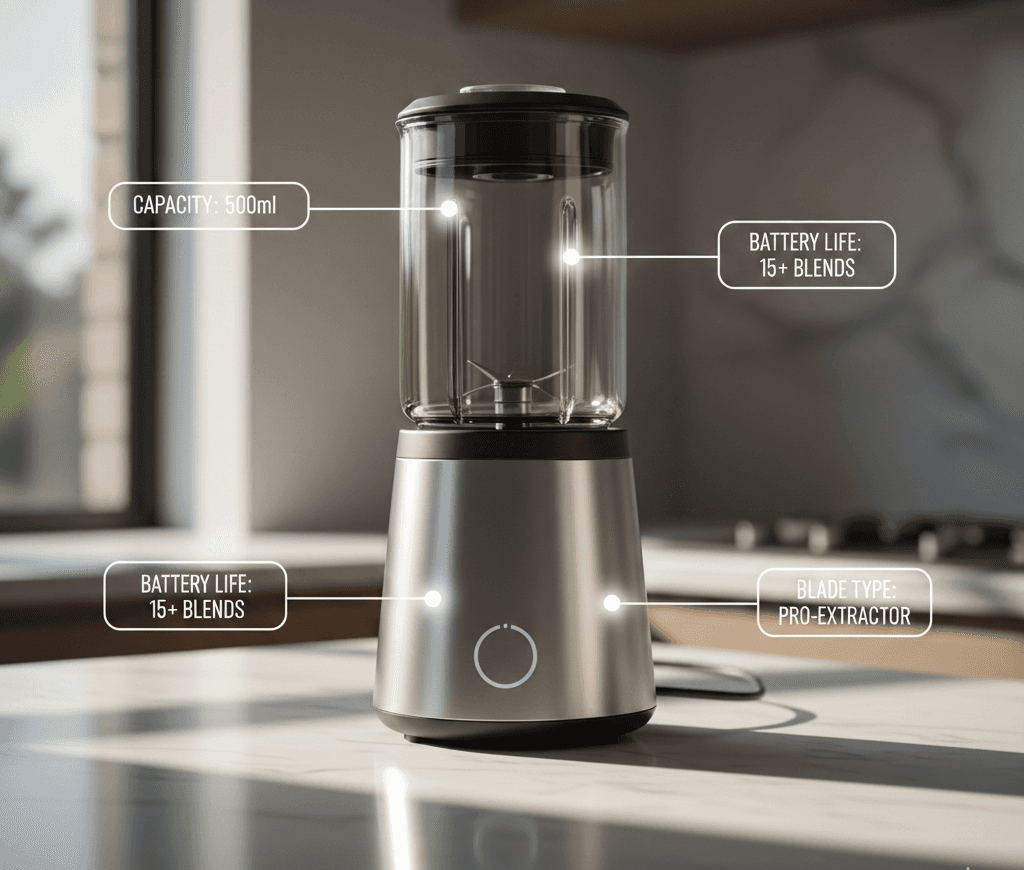
Images are your fastest path to trust. Use the first image to establish clarity. Use secondary images to demonstrate scale, key features in context, and simple how it works moments. Lifestyle photography should mirror the real environment where the product shines. Infographics work when they clarify selection or setup, not when they repeat the title.

If you want a structured checklist for images, attributes, and narrative flow, bookmark this product listing playbook and use it as your weekly tune up.
Link: The 2025 Product Listing Playbook

Complete every attribute like it influences ranking because it does

Attributes are not optional. They feed filters, comparison widgets, and on site search relevance. Incomplete attributes silently disqualify your product from high intent queries. Build a habit of refreshing attributes whenever packaging or variants change. If you are newer to listing optimization, this foundations guide is helpful for ramping a team.
Link: Understanding the Basics of Amazon Listing Optimization

A+ content that actually moves the needle

Enhanced content should do three jobs. Clarify what makes your product different. Reduce perceived risk with simple comparison modules or before and after visuals. Tell a story that helps shoppers imagine ownership within seconds. Measurement matters. See how to evaluate modules and tie them to outcomes here.
Link: Amazon A+ Content in 2025: The New Rules for Higher Conversions

Turn optimization into a reliable weekly cadence

Great listings evolve with shopper language, seasonality, and competitive context. The easiest wins come from small weekly tests. Swap a secondary image to address a common return reason. Refactor the first two lines of description to surface a benefit earlier. Add missing attributes that unlock a filter. For a comprehensive path from basics to advanced tactics, this complete guide is a strong reference.
Link: Amazon Product Listing Optimization: Complete Guide

Where XENA fits into your workflow

Use XENA Foresight to generate first draft titles, bullets, and A+ modules trained on your own brand voice. Then push variants for testing in minutes. Pair it with Xenalytics to see how changes to copy and visuals tie back to conversion rate, sessions, and profit so you are never guessing. If listings support paid traffic, layer learnings from your PPC strategy so the promise in ads and the proof on the page match perfectly.
Links for deeper context
The 2026 PPC Playbook for E-commerce Brands
The 2025 PPC Playbook

One page checklist you can run every Friday

Read your title as if you are a new shopper and ask what it promises in five words. Scan images on mobile and confirm the second and third images answer the first two presale questions support receives most often. Review attributes against top filter paths for your category and fill any blanks. Trim copy that repeats the title and elevate one differentiator that matters. Save before and after versions and review impact inside Xenalytics the following week.

Final word

Winning product pages are never finished. Keep the promise clear. Let images do the heavy lifting. Complete every attribute. Measure every change. With XENA Foresight and Xenalytics in your toolkit, optimization becomes a weekly habit that compounds into margin and market share.

Why great listings win in 2026

Shoppers are skimming faster and expecting answers instantly. The product page is where curiosity becomes confidence. Treat it like your highest leverage sales asset, not a static brochure. If you want a quick refresher on the fundamentals, start with this overview of why product listing optimization matters for sustained growth, then come back for the advanced playbook you can apply today.
Link: Stay Ahead of the Game: Product Listing Optimization


Start with a clear promise in the title

Your title is a contract with the shopper. Lead with the core benefit and primary attributes that shoppers actually search for. Avoid cute phrasing that hides the essentials. If you need a step by step walkthrough of research and phrasing, this guide to Amazon SEO and keyword strategy is a strong companion to the advice below.
Link: Everything on Amazon SEO Keywords for Optimizing Your Listings

A quick framework you can reuse

Open with the product type and defining benefit. Follow with size or count if relevant. Add one differentiator the competitor cannot claim. Keep it readable at a glance on mobile. When in doubt, read it aloud and cut any word that does not add clarity.

Write descriptions that resolve objections

Descriptions move a shopper from interest to intent. Focus on use cases and outcomes rather than feature dumps. Anticipate common hesitations like fit, compatibility, or care and address them in plain language. For a deeper dive on voice and structure, you can study this breakdown of compelling titles and descriptions.
Link: How to Create Content that Sells on Amazon


Show more, explain less with images

Images are your fastest path to trust. Use the first image to establish clarity. Use secondary images to demonstrate scale, key features in context, and simple how it works moments. Lifestyle photography should mirror the real environment where the product shines. Infographics work when they clarify selection or setup, not when they repeat the title.

If you want a structured checklist for images, attributes, and narrative flow, bookmark this product listing playbook and use it as your weekly tune up.
Link: The 2025 Product Listing Playbook

Complete every attribute like it influences ranking because it does

Attributes are not optional. They feed filters, comparison widgets, and on site search relevance. Incomplete attributes silently disqualify your product from high intent queries. Build a habit of refreshing attributes whenever packaging or variants change. If you are newer to listing optimization, this foundations guide is helpful for ramping a team.
Link: Understanding the Basics of Amazon Listing Optimization

A+ content that actually moves the needle

Enhanced content should do three jobs. Clarify what makes your product different. Reduce perceived risk with simple comparison modules or before and after visuals. Tell a story that helps shoppers imagine ownership within seconds. Measurement matters. See how to evaluate modules and tie them to outcomes here.
Link: Amazon A+ Content in 2025: The New Rules for Higher Conversions

Turn optimization into a reliable weekly cadence

Great listings evolve with shopper language, seasonality, and competitive context. The easiest wins come from small weekly tests. Swap a secondary image to address a common return reason. Refactor the first two lines of description to surface a benefit earlier. Add missing attributes that unlock a filter. For a comprehensive path from basics to advanced tactics, this complete guide is a strong reference.
Link: Amazon Product Listing Optimization: Complete Guide

Where XENA fits into your workflow

Use XENA Foresight to generate first draft titles, bullets, and A+ modules trained on your own brand voice. Then push variants for testing in minutes. Pair it with Xenalytics to see how changes to copy and visuals tie back to conversion rate, sessions, and profit so you are never guessing. If listings support paid traffic, layer learnings from your PPC strategy so the promise in ads and the proof on the page match perfectly.
Links for deeper context
The 2026 PPC Playbook for E-commerce Brands
The 2025 PPC Playbook

One page checklist you can run every Friday

Read your title as if you are a new shopper and ask what it promises in five words. Scan images on mobile and confirm the second and third images answer the first two presale questions support receives most often. Review attributes against top filter paths for your category and fill any blanks. Trim copy that repeats the title and elevate one differentiator that matters. Save before and after versions and review impact inside Xenalytics the following week.

Final word

Winning product pages are never finished. Keep the promise clear. Let images do the heavy lifting. Complete every attribute. Measure every change. With XENA Foresight and Xenalytics in your toolkit, optimization becomes a weekly habit that compounds into margin and market share.
Why great listings win in 2026

Shoppers are skimming faster and expecting answers instantly. The product page is where curiosity becomes confidence. Treat it like your highest leverage sales asset, not a static brochure. If you want a quick refresher on the fundamentals, start with this overview of why product listing optimization matters for sustained growth, then come back for the advanced playbook you can apply today.
Link: Stay Ahead of the Game: Product Listing Optimization


Start with a clear promise in the title

Your title is a contract with the shopper. Lead with the core benefit and primary attributes that shoppers actually search for. Avoid cute phrasing that hides the essentials. If you need a step by step walkthrough of research and phrasing, this guide to Amazon SEO and keyword strategy is a strong companion to the advice below.
Link: Everything on Amazon SEO Keywords for Optimizing Your Listings

A quick framework you can reuse

Open with the product type and defining benefit. Follow with size or count if relevant. Add one differentiator the competitor cannot claim. Keep it readable at a glance on mobile. When in doubt, read it aloud and cut any word that does not add clarity.

Write descriptions that resolve objections

Descriptions move a shopper from interest to intent. Focus on use cases and outcomes rather than feature dumps. Anticipate common hesitations like fit, compatibility, or care and address them in plain language. For a deeper dive on voice and structure, you can study this breakdown of compelling titles and descriptions.
Link: How to Create Content that Sells on Amazon


Show more, explain less with images

Images are your fastest path to trust. Use the first image to establish clarity. Use secondary images to demonstrate scale, key features in context, and simple how it works moments. Lifestyle photography should mirror the real environment where the product shines. Infographics work when they clarify selection or setup, not when they repeat the title.

If you want a structured checklist for images, attributes, and narrative flow, bookmark this product listing playbook and use it as your weekly tune up.
Link: The 2025 Product Listing Playbook

Complete every attribute like it influences ranking because it does

Attributes are not optional. They feed filters, comparison widgets, and on site search relevance. Incomplete attributes silently disqualify your product from high intent queries. Build a habit of refreshing attributes whenever packaging or variants change. If you are newer to listing optimization, this foundations guide is helpful for ramping a team.
Link: Understanding the Basics of Amazon Listing Optimization

A+ content that actually moves the needle

Enhanced content should do three jobs. Clarify what makes your product different. Reduce perceived risk with simple comparison modules or before and after visuals. Tell a story that helps shoppers imagine ownership within seconds. Measurement matters. See how to evaluate modules and tie them to outcomes here.
Link: Amazon A+ Content in 2025: The New Rules for Higher Conversions

Turn optimization into a reliable weekly cadence

Great listings evolve with shopper language, seasonality, and competitive context. The easiest wins come from small weekly tests. Swap a secondary image to address a common return reason. Refactor the first two lines of description to surface a benefit earlier. Add missing attributes that unlock a filter. For a comprehensive path from basics to advanced tactics, this complete guide is a strong reference.
Link: Amazon Product Listing Optimization: Complete Guide

Where XENA fits into your workflow

Use XENA Foresight to generate first draft titles, bullets, and A+ modules trained on your own brand voice. Then push variants for testing in minutes. Pair it with Xenalytics to see how changes to copy and visuals tie back to conversion rate, sessions, and profit so you are never guessing. If listings support paid traffic, layer learnings from your PPC strategy so the promise in ads and the proof on the page match perfectly.
Links for deeper context
The 2026 PPC Playbook for E-commerce Brands
The 2025 PPC Playbook

One page checklist you can run every Friday

Read your title as if you are a new shopper and ask what it promises in five words. Scan images on mobile and confirm the second and third images answer the first two presale questions support receives most often. Review attributes against top filter paths for your category and fill any blanks. Trim copy that repeats the title and elevate one differentiator that matters. Save before and after versions and review impact inside Xenalytics the following week.

Final word

Winning product pages are never finished. Keep the promise clear. Let images do the heavy lifting. Complete every attribute. Measure every change. With XENA Foresight and Xenalytics in your toolkit, optimization becomes a weekly habit that compounds into margin and market share.

Why great listings win in 2026

Shoppers are skimming faster and expecting answers instantly. The product page is where curiosity becomes confidence. Treat it like your highest leverage sales asset, not a static brochure. If you want a quick refresher on the fundamentals, start with this overview of why product listing optimization matters for sustained growth, then come back for the advanced playbook you can apply today.
Link: Stay Ahead of the Game: Product Listing Optimization


Start with a clear promise in the title

Your title is a contract with the shopper. Lead with the core benefit and primary attributes that shoppers actually search for. Avoid cute phrasing that hides the essentials. If you need a step by step walkthrough of research and phrasing, this guide to Amazon SEO and keyword strategy is a strong companion to the advice below.
Link: Everything on Amazon SEO Keywords for Optimizing Your Listings

A quick framework you can reuse

Open with the product type and defining benefit. Follow with size or count if relevant. Add one differentiator the competitor cannot claim. Keep it readable at a glance on mobile. When in doubt, read it aloud and cut any word that does not add clarity.

Write descriptions that resolve objections

Descriptions move a shopper from interest to intent. Focus on use cases and outcomes rather than feature dumps. Anticipate common hesitations like fit, compatibility, or care and address them in plain language. For a deeper dive on voice and structure, you can study this breakdown of compelling titles and descriptions.
Link: How to Create Content that Sells on Amazon


Show more, explain less with images

Images are your fastest path to trust. Use the first image to establish clarity. Use secondary images to demonstrate scale, key features in context, and simple how it works moments. Lifestyle photography should mirror the real environment where the product shines. Infographics work when they clarify selection or setup, not when they repeat the title.

If you want a structured checklist for images, attributes, and narrative flow, bookmark this product listing playbook and use it as your weekly tune up.
Link: The 2025 Product Listing Playbook

Complete every attribute like it influences ranking because it does

Attributes are not optional. They feed filters, comparison widgets, and on site search relevance. Incomplete attributes silently disqualify your product from high intent queries. Build a habit of refreshing attributes whenever packaging or variants change. If you are newer to listing optimization, this foundations guide is helpful for ramping a team.
Link: Understanding the Basics of Amazon Listing Optimization

A+ content that actually moves the needle

Enhanced content should do three jobs. Clarify what makes your product different. Reduce perceived risk with simple comparison modules or before and after visuals. Tell a story that helps shoppers imagine ownership within seconds. Measurement matters. See how to evaluate modules and tie them to outcomes here.
Link: Amazon A+ Content in 2025: The New Rules for Higher Conversions

Turn optimization into a reliable weekly cadence

Great listings evolve with shopper language, seasonality, and competitive context. The easiest wins come from small weekly tests. Swap a secondary image to address a common return reason. Refactor the first two lines of description to surface a benefit earlier. Add missing attributes that unlock a filter. For a comprehensive path from basics to advanced tactics, this complete guide is a strong reference.
Link: Amazon Product Listing Optimization: Complete Guide

Where XENA fits into your workflow

Use XENA Foresight to generate first draft titles, bullets, and A+ modules trained on your own brand voice. Then push variants for testing in minutes. Pair it with Xenalytics to see how changes to copy and visuals tie back to conversion rate, sessions, and profit so you are never guessing. If listings support paid traffic, layer learnings from your PPC strategy so the promise in ads and the proof on the page match perfectly.
Links for deeper context
The 2026 PPC Playbook for E-commerce Brands
The 2025 PPC Playbook

One page checklist you can run every Friday

Read your title as if you are a new shopper and ask what it promises in five words. Scan images on mobile and confirm the second and third images answer the first two presale questions support receives most often. Review attributes against top filter paths for your category and fill any blanks. Trim copy that repeats the title and elevate one differentiator that matters. Save before and after versions and review impact inside Xenalytics the following week.

Final word

Winning product pages are never finished. Keep the promise clear. Let images do the heavy lifting. Complete every attribute. Measure every change. With XENA Foresight and Xenalytics in your toolkit, optimization becomes a weekly habit that compounds into margin and market share.

Ready to Take Your E-Commerce Growth to the Next Level?

Discover how XENA helps brands and sellers optimize listings, boost visibility, and stay ahead in competitive marketplaces.

Book a Meeting

2025 XENA Intelligence Inc.

Louisville, Kentucky

2025 XENA Intelligence Inc.

Louisville, Kentucky