Why Amazon looks different in 2026
Competition is up, ad inventory is richer, and shoppers expect more proof before they click. The winners are aligning keywords with real buying intent, moving creative faster, and controlling spend by the hour instead of by the week. If you want a fast primer on PPC foundations, start with this overview of paid search and marketplaces, then come back for the advanced moves. You can skim a friendly intro in our guide An Introduction to Pay Per Click PPC Paid Advertising which breaks down how clicks, bids, and budgets interact in practice.
Step 1: Build an intent first keyword spine
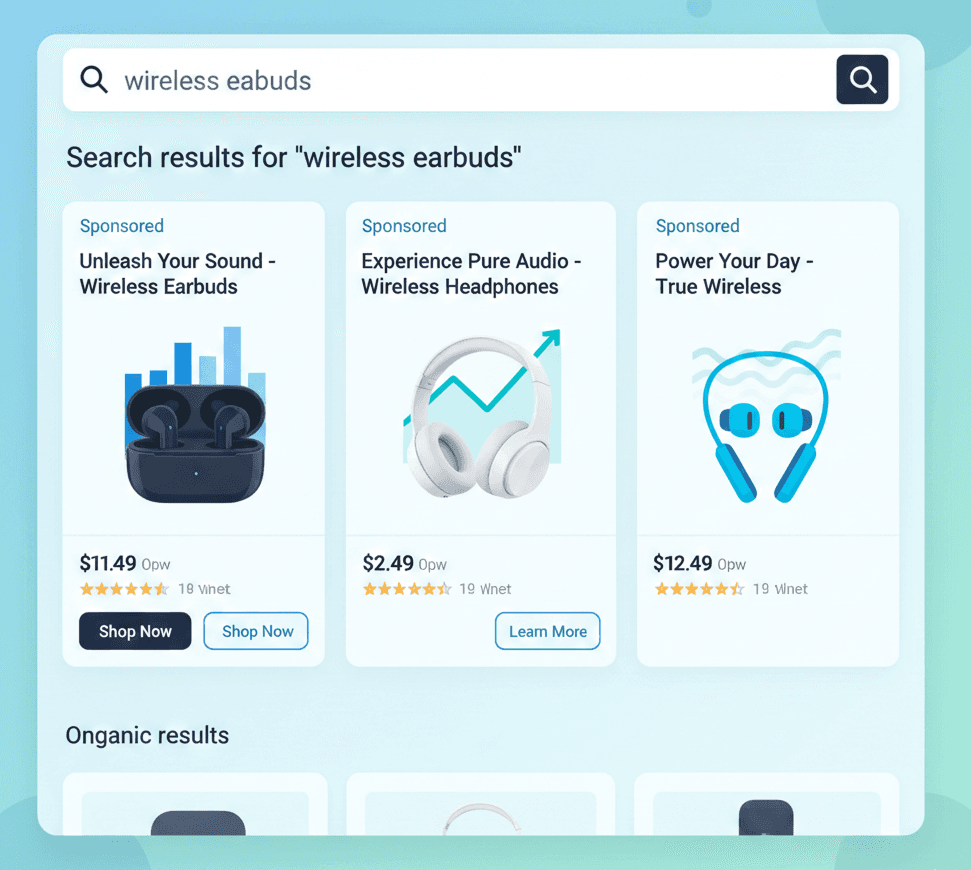
Most stalled accounts chase volume. Focus on how people search when they are ready to buy. Map your keywords into three lanes. In the first lane you have exact product match terms that mirror your title and core features. In the second lane you have competitor adjacency where shoppers compare similar benefits. In the third lane you have problem statements that your listing solves. Use this spine to guide both your listing copy and your ad groups so search terms see the same promise from impression to product detail page. For a wider view of marketplace friction points that cause wasted spend or lost rank, read our breakdown The 10 Biggest Challenges of Selling on Amazon.
Step 2: Ship conversion ready product pages
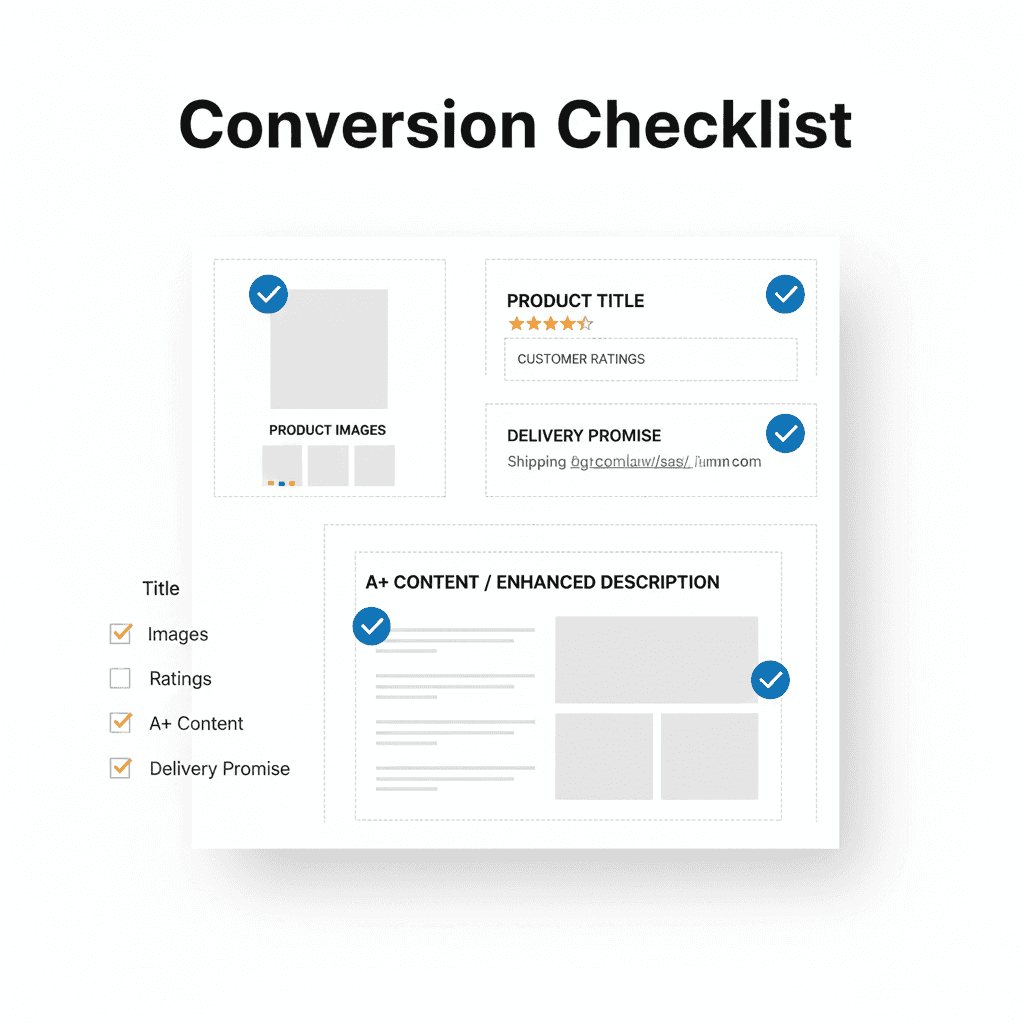
Traffic is not growth if your detail page cannot convert. Bring your images, title, bullets, A plus content, and reviews into one narrative that answers three questions. What is it. Why is it better. How fast will I get it. Treat every creative block as a testable asset. If you want a step by step listing system, pair this playbook with your internal brand guidelines and review our product page resources on the blog. For deeper personalization angles that lift conversion, explore how AI driven content adapts to intent and context in AI Transforming Ecommerce Personalization and The Evolution of AI in E Commerce.
Step 3: Stand up a controllable PPC structure
Simple beats clever. Use one campaign structure per objective and match types that reflect your certainty. Exact for known winners, phrase for discovery within a theme, broad for exploration that you prune weekly. Layer placements so top of search receives your most convincing creative and strongest bids while product pages host defensive and comparison plays. If you need a tactical checklist for ad wins, this PPC strategy guide is a solid companion read. See 5 Amazon PPC Strategies to Outrank Competitors.
Step 4: Move creative faster than your rivals
Click through rate is free fuel. Keep alternate main images and headline variants ready so you can pivot when a placement or season shifts. Aim to ship creative updates every week during launch and every other week during scale. The goal is to shorten the time between a signal and your next creative move. When your CTR rises, your cost per click often falls, which means your conversion gains multiply through lower ACoS and better rank movement.
Step 5: Control bids and budgets by the hour
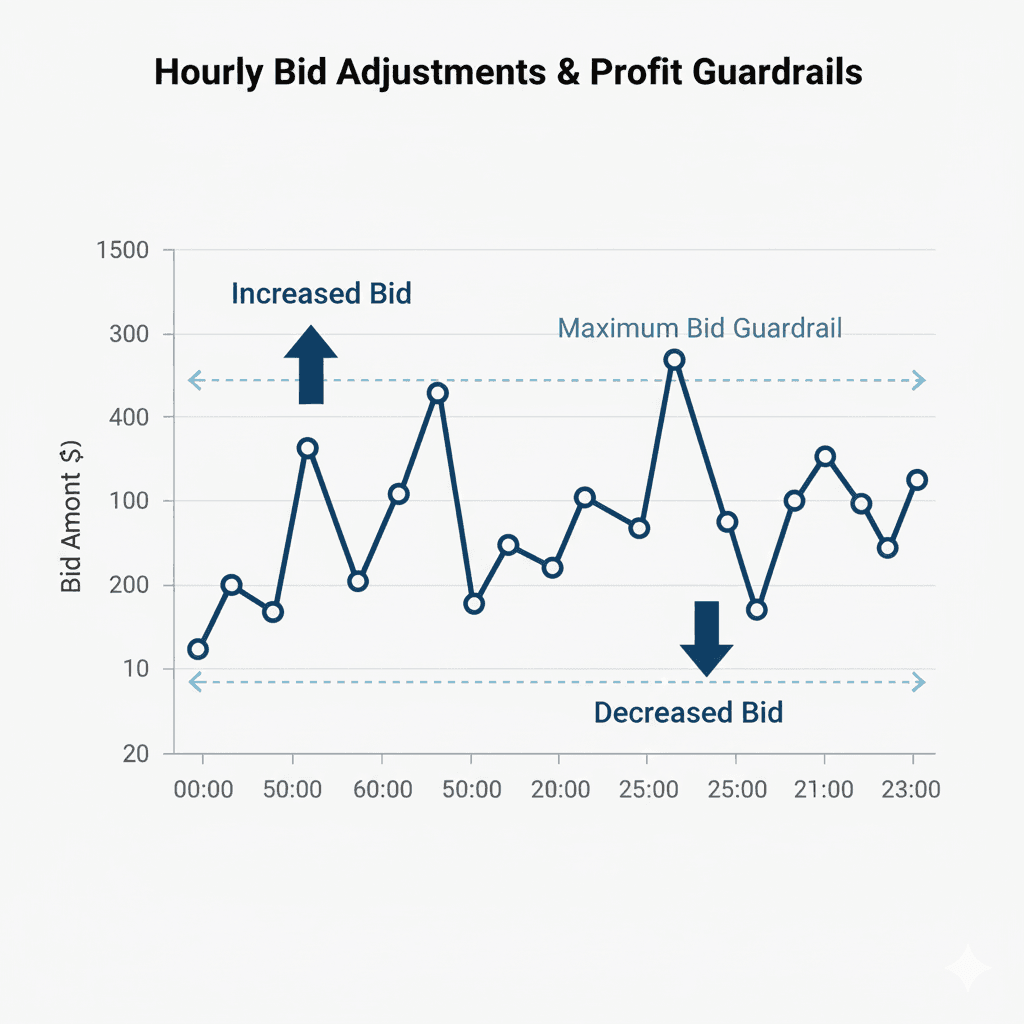
Markets breathe. Performance at 9 am is not the same as 9 pm. This is where XENA Intelligence shines. Our platform runs hourly campaign optimization that adjusts bids, budgets, and placement modifiers in real time using profit targets you set. You keep strategic control while the system automates the busywork and protects margin when demand dips. If your team wants a high level view of how hourly optimization fits inside a modern stack, check out The 2026 Amazon PPC Growth Stack Creative Speed Profit Control and Hourly Optimization.
Step 6: Expand into B2B with Amazon Business
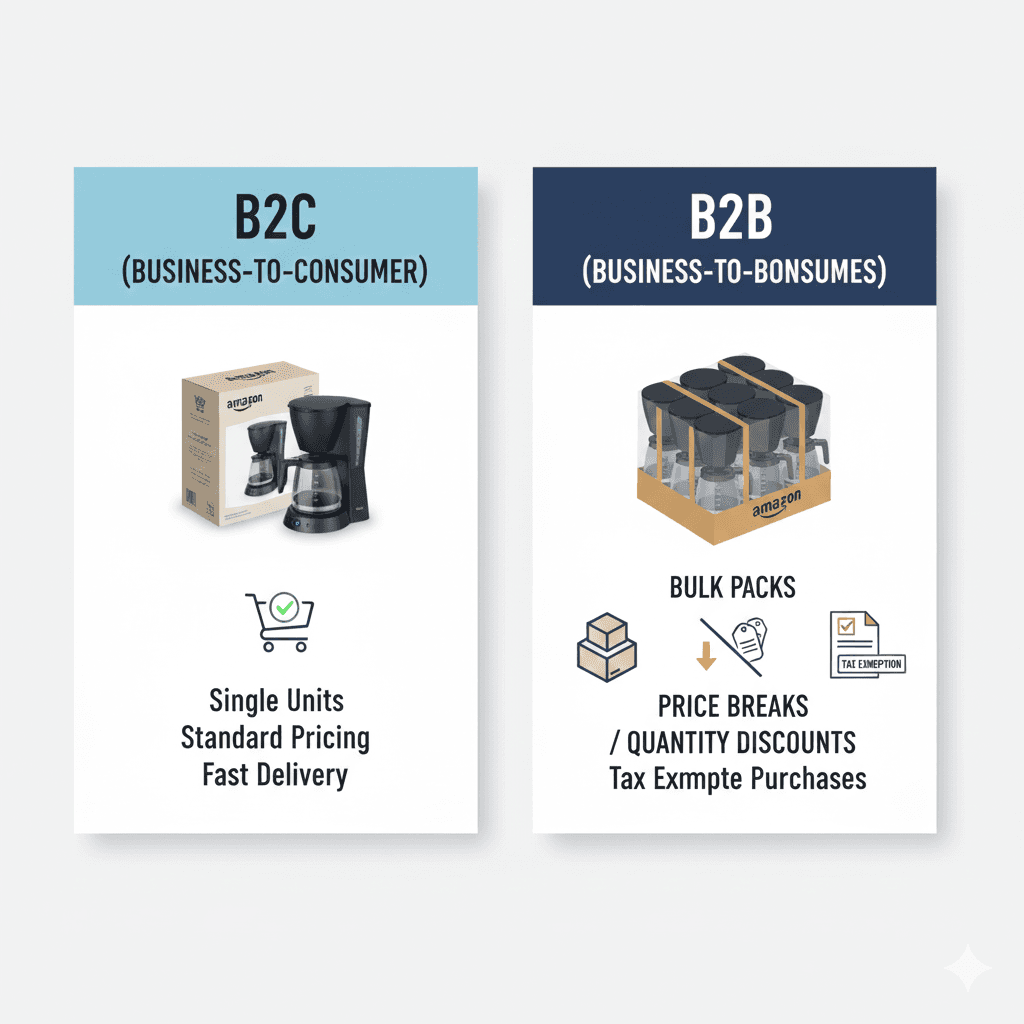
If you sell consumables, tools, office, or industrial products, Amazon Business can add a steady demand layer. Price breaks, bulk packs, and tax exemption unlock new buyers with different expectations. Build a separate keyword bank for B2B searches and test Sponsored Products alongside Sponsored Brands that highlight bulk value. Our complete guide How to Sell on Amazon Business A Complete Guide explains setup and optimization.
Step 7: Watch profit, not just ACoS
Healthy growth blends ad efficiency with contribution margin. Fold fees, shipping, and returns into your scorecard so you make decisions with TACoS and unit economics in view. If costs keep sneaking up, this primer E Commerce Economics The Costs You Did Not See Coming will help you spot and fix the leaks that most teams overlook.
A one week launch plan you can actually run
Day one to day two you focus on indexing and early clicks using your exact match spine, a competitive main image, and a short burst of top of search bidding. Day three to day four you read the search term report, cut waste, and swap in the next best headline and image. Day five to day six you open phrase match for the best themes and introduce product page placements for defensive coverage. Day seven you lock in your profitable bids, update creative for the next round, and roll into scale. Keep this loop tight. Pair your cadence with hourly guardrails from XENA Intelligence so you never overspend overnight or miss a mid day surge.
The mindset that wins this year
Be specific with intent, fast with creative, and strict with profit. Do not try to outspend the market. Out learn it. If you need a broader context for how AI supports all of this, our use case library AI in E Commerce Applications Use Cases in 2024 walks through practical applications across merchandising, ads, and customer experience.
Where XENA Intelligence fits
XENA Intelligence gives you hourly optimization, predictive analytics, and always on expert support. You set your profit goals. We automate bids, budgets, and placements to hit them while surfacing the creative and keyword moves that matter. That is how small teams operate with enterprise level precision.
Final takeaway
Amazon growth in 2026 is a rhythm. Intent aligned keywords, conversion ready pages, structured campaigns, quick creative swaps, and hourly controls. Run the loop and protect profit at every step. When you do, rank climbs and spend feels calm.
Why Amazon looks different in 2026
Competition is up, ad inventory is richer, and shoppers expect more proof before they click. The winners are aligning keywords with real buying intent, moving creative faster, and controlling spend by the hour instead of by the week. If you want a fast primer on PPC foundations, start with this overview of paid search and marketplaces, then come back for the advanced moves. You can skim a friendly intro in our guide An Introduction to Pay Per Click PPC Paid Advertising which breaks down how clicks, bids, and budgets interact in practice.

Step 1: Build an intent first keyword spine
Most stalled accounts chase volume. Focus on how people search when they are ready to buy. Map your keywords into three lanes. In the first lane you have exact product match terms that mirror your title and core features. In the second lane you have competitor adjacency where shoppers compare similar benefits. In the third lane you have problem statements that your listing solves. Use this spine to guide both your listing copy and your ad groups so search terms see the same promise from impression to product detail page. For a wider view of marketplace friction points that cause wasted spend or lost rank, read our breakdown The 10 Biggest Challenges of Selling on Amazon.
Step 2: Ship conversion ready product pages
Traffic is not growth if your detail page cannot convert. Bring your images, title, bullets, A plus content, and reviews into one narrative that answers three questions. What is it. Why is it better. How fast will I get it. Treat every creative block as a testable asset. If you want a step by step listing system, pair this playbook with your internal brand guidelines and review our product page resources on the blog. For deeper personalization angles that lift conversion, explore how AI driven content adapts to intent and context in AI Transforming Ecommerce Personalization and The Evolution of AI in E Commerce.

Step 3: Stand up a controllable PPC structure
Simple beats clever. Use one campaign structure per objective and match types that reflect your certainty. Exact for known winners, phrase for discovery within a theme, broad for exploration that you prune weekly. Layer placements so top of search receives your most convincing creative and strongest bids while product pages host defensive and comparison plays. If you need a tactical checklist for ad wins, this PPC strategy guide is a solid companion read. See 5 Amazon PPC Strategies to Outrank Competitors.
Step 4: Move creative faster than your rivals
Click through rate is free fuel. Keep alternate main images and headline variants ready so you can pivot when a placement or season shifts. Aim to ship creative updates every week during launch and every other week during scale. The goal is to shorten the time between a signal and your next creative move. When your CTR rises, your cost per click often falls, which means your conversion gains multiply through lower ACoS and better rank movement.
Step 5: Control bids and budgets by the hour
Markets breathe. Performance at 9 am is not the same as 9 pm. This is where XENA Intelligence shines. Our platform runs hourly campaign optimization that adjusts bids, budgets, and placement modifiers in real time using profit targets you set. You keep strategic control while the system automates the busywork and protects margin when demand dips. If your team wants a high level view of how hourly optimization fits inside a modern stack, check out The 2026 Amazon PPC Growth Stack Creative Speed Profit Control and Hourly Optimization.

Step 6: Expand into B2B with Amazon Business
If you sell consumables, tools, office, or industrial products, Amazon Business can add a steady demand layer. Price breaks, bulk packs, and tax exemption unlock new buyers with different expectations. Build a separate keyword bank for B2B searches and test Sponsored Products alongside Sponsored Brands that highlight bulk value. Our complete guide How to Sell on Amazon Business A Complete Guide explains setup and optimization.
Step 7: Watch profit, not just ACoS
Healthy growth blends ad efficiency with contribution margin. Fold fees, shipping, and returns into your scorecard so you make decisions with TACoS and unit economics in view. If costs keep sneaking up, this primer E Commerce Economics The Costs You Did Not See Coming will help you spot and fix the leaks that most teams overlook.
A one week launch plan you can actually run
Day one to day two you focus on indexing and early clicks using your exact match spine, a competitive main image, and a short burst of top of search bidding. Day three to day four you read the search term report, cut waste, and swap in the next best headline and image. Day five to day six you open phrase match for the best themes and introduce product page placements for defensive coverage. Day seven you lock in your profitable bids, update creative for the next round, and roll into scale. Keep this loop tight. Pair your cadence with hourly guardrails from XENA Intelligence so you never overspend overnight or miss a mid day surge.
The mindset that wins this year
Be specific with intent, fast with creative, and strict with profit. Do not try to outspend the market. Out learn it. If you need a broader context for how AI supports all of this, our use case library AI in E Commerce Applications Use Cases in 2024 walks through practical applications across merchandising, ads, and customer experience.

Where XENA Intelligence fits
XENA Intelligence gives you hourly optimization, predictive analytics, and always on expert support. You set your profit goals. We automate bids, budgets, and placements to hit them while surfacing the creative and keyword moves that matter. That is how small teams operate with enterprise level precision.
Final takeaway
Amazon growth in 2026 is a rhythm. Intent aligned keywords, conversion ready pages, structured campaigns, quick creative swaps, and hourly controls. Run the loop and protect profit at every step. When you do, rank climbs and spend feels calm.
Why Amazon looks different in 2026
Competition is up, ad inventory is richer, and shoppers expect more proof before they click. The winners are aligning keywords with real buying intent, moving creative faster, and controlling spend by the hour instead of by the week. If you want a fast primer on PPC foundations, start with this overview of paid search and marketplaces, then come back for the advanced moves. You can skim a friendly intro in our guide An Introduction to Pay Per Click PPC Paid Advertising which breaks down how clicks, bids, and budgets interact in practice.

Step 1: Build an intent first keyword spine
Most stalled accounts chase volume. Focus on how people search when they are ready to buy. Map your keywords into three lanes. In the first lane you have exact product match terms that mirror your title and core features. In the second lane you have competitor adjacency where shoppers compare similar benefits. In the third lane you have problem statements that your listing solves. Use this spine to guide both your listing copy and your ad groups so search terms see the same promise from impression to product detail page. For a wider view of marketplace friction points that cause wasted spend or lost rank, read our breakdown The 10 Biggest Challenges of Selling on Amazon.
Step 2: Ship conversion ready product pages
Traffic is not growth if your detail page cannot convert. Bring your images, title, bullets, A plus content, and reviews into one narrative that answers three questions. What is it. Why is it better. How fast will I get it. Treat every creative block as a testable asset. If you want a step by step listing system, pair this playbook with your internal brand guidelines and review our product page resources on the blog. For deeper personalization angles that lift conversion, explore how AI driven content adapts to intent and context in AI Transforming Ecommerce Personalization and The Evolution of AI in E Commerce.

Step 3: Stand up a controllable PPC structure
Simple beats clever. Use one campaign structure per objective and match types that reflect your certainty. Exact for known winners, phrase for discovery within a theme, broad for exploration that you prune weekly. Layer placements so top of search receives your most convincing creative and strongest bids while product pages host defensive and comparison plays. If you need a tactical checklist for ad wins, this PPC strategy guide is a solid companion read. See 5 Amazon PPC Strategies to Outrank Competitors.
Step 4: Move creative faster than your rivals
Click through rate is free fuel. Keep alternate main images and headline variants ready so you can pivot when a placement or season shifts. Aim to ship creative updates every week during launch and every other week during scale. The goal is to shorten the time between a signal and your next creative move. When your CTR rises, your cost per click often falls, which means your conversion gains multiply through lower ACoS and better rank movement.
Step 5: Control bids and budgets by the hour
Markets breathe. Performance at 9 am is not the same as 9 pm. This is where XENA Intelligence shines. Our platform runs hourly campaign optimization that adjusts bids, budgets, and placement modifiers in real time using profit targets you set. You keep strategic control while the system automates the busywork and protects margin when demand dips. If your team wants a high level view of how hourly optimization fits inside a modern stack, check out The 2026 Amazon PPC Growth Stack Creative Speed Profit Control and Hourly Optimization.

Step 6: Expand into B2B with Amazon Business
If you sell consumables, tools, office, or industrial products, Amazon Business can add a steady demand layer. Price breaks, bulk packs, and tax exemption unlock new buyers with different expectations. Build a separate keyword bank for B2B searches and test Sponsored Products alongside Sponsored Brands that highlight bulk value. Our complete guide How to Sell on Amazon Business A Complete Guide explains setup and optimization.
Step 7: Watch profit, not just ACoS
Healthy growth blends ad efficiency with contribution margin. Fold fees, shipping, and returns into your scorecard so you make decisions with TACoS and unit economics in view. If costs keep sneaking up, this primer E Commerce Economics The Costs You Did Not See Coming will help you spot and fix the leaks that most teams overlook.
A one week launch plan you can actually run
Day one to day two you focus on indexing and early clicks using your exact match spine, a competitive main image, and a short burst of top of search bidding. Day three to day four you read the search term report, cut waste, and swap in the next best headline and image. Day five to day six you open phrase match for the best themes and introduce product page placements for defensive coverage. Day seven you lock in your profitable bids, update creative for the next round, and roll into scale. Keep this loop tight. Pair your cadence with hourly guardrails from XENA Intelligence so you never overspend overnight or miss a mid day surge.
The mindset that wins this year
Be specific with intent, fast with creative, and strict with profit. Do not try to outspend the market. Out learn it. If you need a broader context for how AI supports all of this, our use case library AI in E Commerce Applications Use Cases in 2024 walks through practical applications across merchandising, ads, and customer experience.

Where XENA Intelligence fits
XENA Intelligence gives you hourly optimization, predictive analytics, and always on expert support. You set your profit goals. We automate bids, budgets, and placements to hit them while surfacing the creative and keyword moves that matter. That is how small teams operate with enterprise level precision.
Final takeaway
Amazon growth in 2026 is a rhythm. Intent aligned keywords, conversion ready pages, structured campaigns, quick creative swaps, and hourly controls. Run the loop and protect profit at every step. When you do, rank climbs and spend feels calm.
Why Amazon looks different in 2026
Competition is up, ad inventory is richer, and shoppers expect more proof before they click. The winners are aligning keywords with real buying intent, moving creative faster, and controlling spend by the hour instead of by the week. If you want a fast primer on PPC foundations, start with this overview of paid search and marketplaces, then come back for the advanced moves. You can skim a friendly intro in our guide An Introduction to Pay Per Click PPC Paid Advertising which breaks down how clicks, bids, and budgets interact in practice.

Step 1: Build an intent first keyword spine
Most stalled accounts chase volume. Focus on how people search when they are ready to buy. Map your keywords into three lanes. In the first lane you have exact product match terms that mirror your title and core features. In the second lane you have competitor adjacency where shoppers compare similar benefits. In the third lane you have problem statements that your listing solves. Use this spine to guide both your listing copy and your ad groups so search terms see the same promise from impression to product detail page. For a wider view of marketplace friction points that cause wasted spend or lost rank, read our breakdown The 10 Biggest Challenges of Selling on Amazon.
Step 2: Ship conversion ready product pages
Traffic is not growth if your detail page cannot convert. Bring your images, title, bullets, A plus content, and reviews into one narrative that answers three questions. What is it. Why is it better. How fast will I get it. Treat every creative block as a testable asset. If you want a step by step listing system, pair this playbook with your internal brand guidelines and review our product page resources on the blog. For deeper personalization angles that lift conversion, explore how AI driven content adapts to intent and context in AI Transforming Ecommerce Personalization and The Evolution of AI in E Commerce.

Step 3: Stand up a controllable PPC structure
Simple beats clever. Use one campaign structure per objective and match types that reflect your certainty. Exact for known winners, phrase for discovery within a theme, broad for exploration that you prune weekly. Layer placements so top of search receives your most convincing creative and strongest bids while product pages host defensive and comparison plays. If you need a tactical checklist for ad wins, this PPC strategy guide is a solid companion read. See 5 Amazon PPC Strategies to Outrank Competitors.
Step 4: Move creative faster than your rivals
Click through rate is free fuel. Keep alternate main images and headline variants ready so you can pivot when a placement or season shifts. Aim to ship creative updates every week during launch and every other week during scale. The goal is to shorten the time between a signal and your next creative move. When your CTR rises, your cost per click often falls, which means your conversion gains multiply through lower ACoS and better rank movement.
Step 5: Control bids and budgets by the hour
Markets breathe. Performance at 9 am is not the same as 9 pm. This is where XENA Intelligence shines. Our platform runs hourly campaign optimization that adjusts bids, budgets, and placement modifiers in real time using profit targets you set. You keep strategic control while the system automates the busywork and protects margin when demand dips. If your team wants a high level view of how hourly optimization fits inside a modern stack, check out The 2026 Amazon PPC Growth Stack Creative Speed Profit Control and Hourly Optimization.

Step 6: Expand into B2B with Amazon Business
If you sell consumables, tools, office, or industrial products, Amazon Business can add a steady demand layer. Price breaks, bulk packs, and tax exemption unlock new buyers with different expectations. Build a separate keyword bank for B2B searches and test Sponsored Products alongside Sponsored Brands that highlight bulk value. Our complete guide How to Sell on Amazon Business A Complete Guide explains setup and optimization.
Step 7: Watch profit, not just ACoS
Healthy growth blends ad efficiency with contribution margin. Fold fees, shipping, and returns into your scorecard so you make decisions with TACoS and unit economics in view. If costs keep sneaking up, this primer E Commerce Economics The Costs You Did Not See Coming will help you spot and fix the leaks that most teams overlook.
A one week launch plan you can actually run
Day one to day two you focus on indexing and early clicks using your exact match spine, a competitive main image, and a short burst of top of search bidding. Day three to day four you read the search term report, cut waste, and swap in the next best headline and image. Day five to day six you open phrase match for the best themes and introduce product page placements for defensive coverage. Day seven you lock in your profitable bids, update creative for the next round, and roll into scale. Keep this loop tight. Pair your cadence with hourly guardrails from XENA Intelligence so you never overspend overnight or miss a mid day surge.
The mindset that wins this year
Be specific with intent, fast with creative, and strict with profit. Do not try to outspend the market. Out learn it. If you need a broader context for how AI supports all of this, our use case library AI in E Commerce Applications Use Cases in 2024 walks through practical applications across merchandising, ads, and customer experience.

Where XENA Intelligence fits
XENA Intelligence gives you hourly optimization, predictive analytics, and always on expert support. You set your profit goals. We automate bids, budgets, and placements to hit them while surfacing the creative and keyword moves that matter. That is how small teams operate with enterprise level precision.
Final takeaway
Amazon growth in 2026 is a rhythm. Intent aligned keywords, conversion ready pages, structured campaigns, quick creative swaps, and hourly controls. Run the loop and protect profit at every step. When you do, rank climbs and spend feels calm.
Trending Blogs

The 2026 Amazon PPC Growth Stack: Creative speed, profit control, and hourly optimization

The 2026 Amazon PPC Growth Stack: Creative speed, profit control, and hourly optimization

The 2026 Amazon PPC Growth Stack: Creative speed, profit control, and hourly optimization

The 2026 Amazon PPC Growth Stack: Creative speed, profit control, and hourly optimization

Win December on Amazon: A Last-Mile Playbook for Holiday Sales

Win December on Amazon: A Last-Mile Playbook for Holiday Sales

Win December on Amazon: A Last-Mile Playbook for Holiday Sales

Win December on Amazon: A Last-Mile Playbook for Holiday Sales

The 2026 Product Listing Playbook: Content That Wins Clicks and Closes Carts

The 2026 Product Listing Playbook: Content That Wins Clicks and Closes Carts

The 2026 Product Listing Playbook: Content That Wins Clicks and Closes Carts