If 2024 and 2025 were about catching up on automation and channel sprawl, 2026 is about refinement. You have more data than ever, but the real advantage comes from how quickly you turn those signals into decisions that improve contribution margin and lifetime value. In this playbook you will learn how to connect first party data to smarter merchandising, faster advertising cycles, and retention moves that compound. For a primer on the building blocks, start with XENA’s guide titled E-Commerce Marketing Automation: All You Need To Know About In 2024 and follow it with How AI Is Redefining Personalization in E-Commerce.
Make first party data the operating system
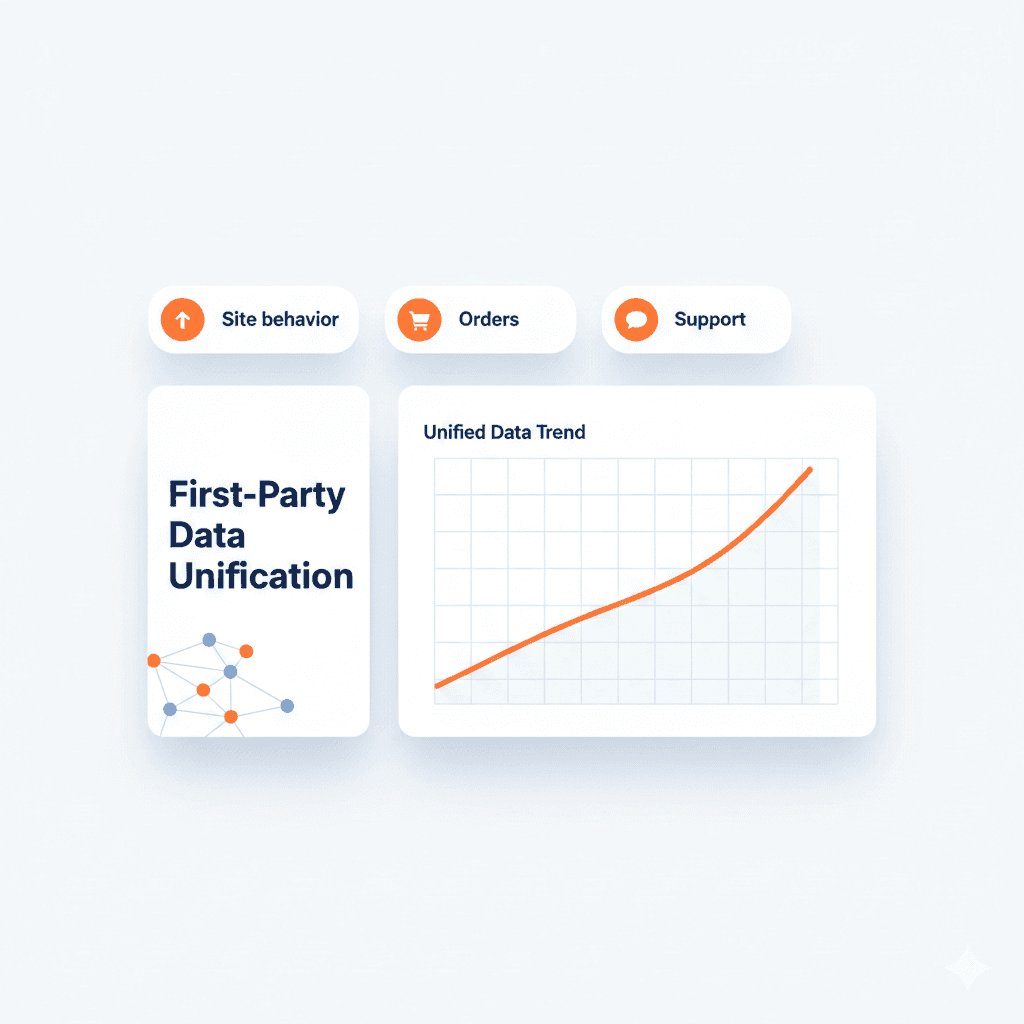
The privacy reset is no longer a headline, it is your day to day. The simplest move is to unify three data streams you already own. Site behavior shows intent, order data shows value, and service interactions show friction. When these live together you can segment by predicted value rather than last click, identify products that drive attachment, and spot patterns in returns before they erode margin. If you are new to this, pair your segmentation with a marketing automation backbone so data actually triggers action rather than dashboards. The walkthrough in E-Commerce Marketing Automation: All You Need To Know About In 2024 shows how to start quickly without a large engineering lift.
Personalize with purpose, not pages
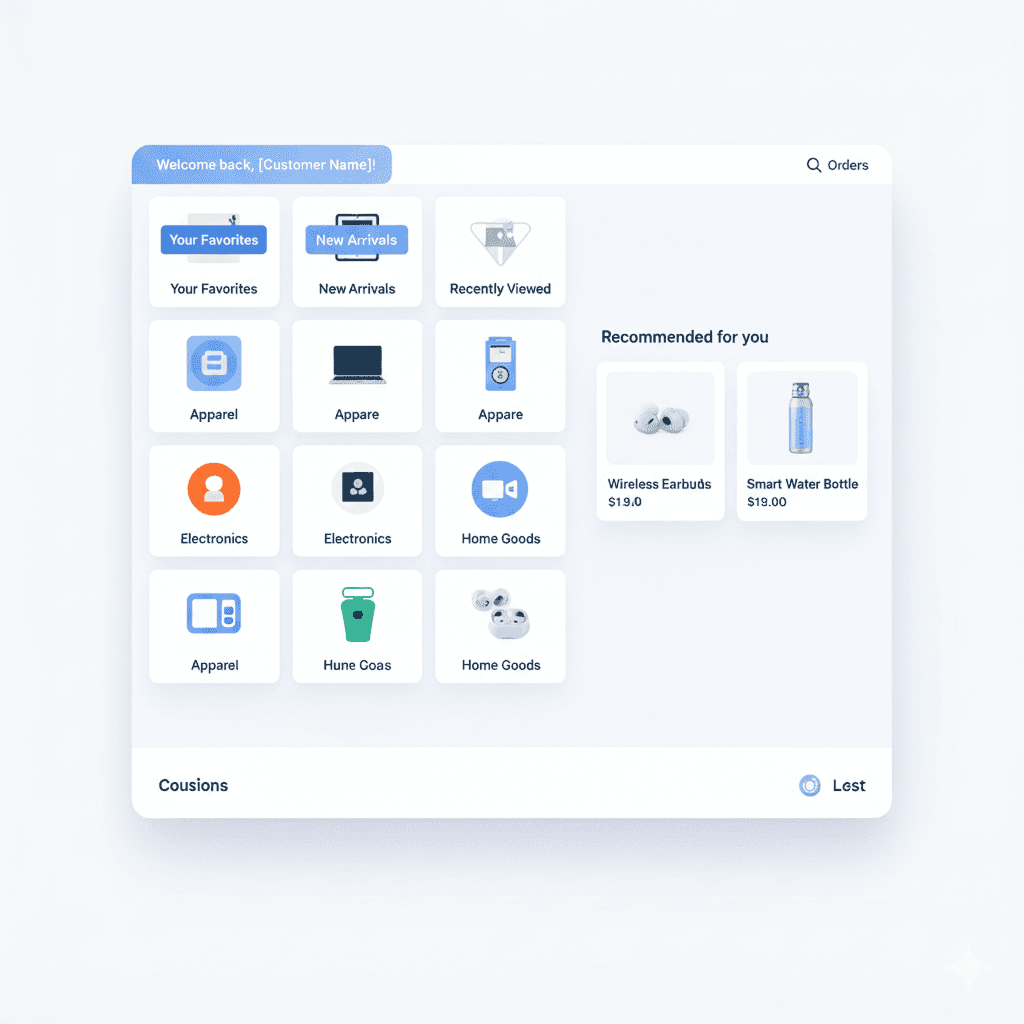
Shoppers do not need a different website every visit, they need helpful nudges that reduce effort. Start with small, high impact placements like category sort order for returning visitors, replenishment reminders tied to expected usage windows, and content blocks that reflect what someone browsed in the last session. Use prediction to rank the next best product or message and keep the creative system lightweight so you can test often. If you want the longer rationale and examples, this primer titled How AI Is Redefining Personalization in E-Commerce covers the mindset and common pitfalls to avoid.
Treat ads as a feedback loop, not a faucet
Ad platforms are decent at delivery, but they still rely on the signals you feed them. Compress the time between signal and adjustment. Map your campaigns to business outcomes like contribution margin after returns and shipping rather than surface metrics. Automate budget shifts based on predicted sell through and inventory risks so you do not over fund products that will stock out or under fund lines that need velocity. To connect these moves to lifecycle value, revisit the retention playbook titled What is Ecommerce Customer Retention And How To Improve It? and the practical perspective in The Hidden Benefits of Returns for eCommerce Brands. Post purchase data can improve top of funnel efficiency when you feed it back into bidding and merchandising.
Build a retention engine that compounds
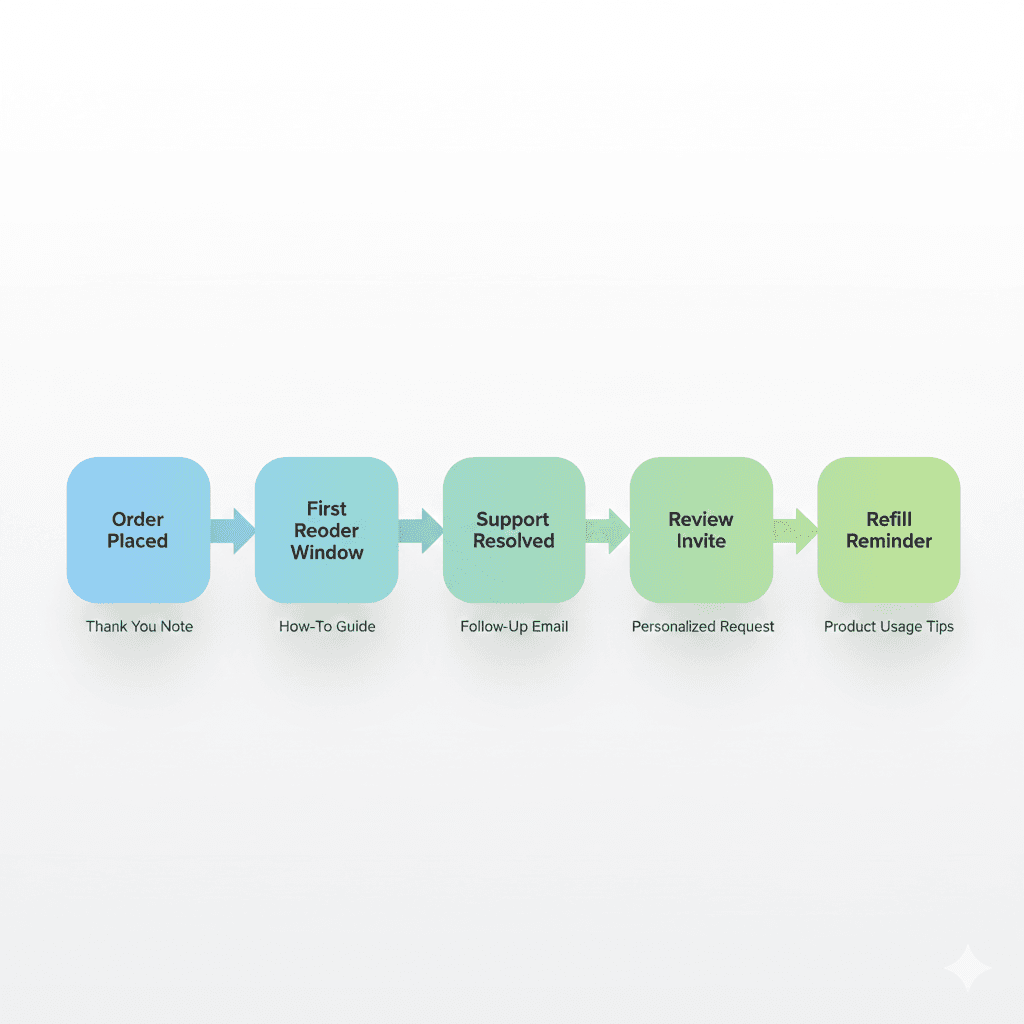
Acquisition costs are not going down, retention is where compounding happens. Start by identifying your high intent moments. The first reorder window, the first support ticket resolution, the first review request. Turn these moments into triggered experiences that feel human. Thank you notes that reference what the customer actually bought. How to guides that match the variant they chose. Refill prompts that reflect average usage rather than arbitrary dates. The sequence in What is Ecommerce Customer Retention And How To Improve It? gives you a simple foundation any brand can customize in a week.
The 30 60 90 plan for 2026
In 30 days, unify data sources you already own and light up a few automations that respond to real behavior. In 60 days, roll out predictive targeting for one high volume category and connect creative testing to those predictions. In 90 days, close the loop by feeding post purchase and returns data back into bidding and merchandising so the system learns from every order. For a quick scan of macro forces shaping these choices, skim E-commerce Trends for 2024: Facts You Must Know and apply the ideas to your 2026 plan.
How XENA helps
This is exactly where XENA Intelligence slots in. The platform pairs hourly campaign optimization with predictive analytics that score demand and recommend creative, bids, and budgets by product. You get an always on copilot for merchandising and media that keeps working while you sleep. If you already have your stack, XENA can ingest your first party data and push decisions back into your ad platforms and storefront so tests run continuously without manual babysitting. If personalization is your priority, combine XENA’s predictive audiences with the principles in How AI Is Redefining Personalization in E-Commerce for fast wins.
Real world example to copy this week
Pick one replenishable product and create a simple prediction rule using your order history. If the average reorder window is 28 to 35 days, set an automated email and paid audience refresh at day 24 for anyone whose last order matches the SKU family. Pair it with a small cart incentive only if predicted margin stays above your target. Use onsite personalization to bring that visitor back to a prefiltered page that shows their usual variant first. If you want help connecting those pieces, begin with E-Commerce Marketing Automation: All You Need To Know About In 2024, then layer in How AI Is Redefining Personalization in E-Commerce and support it with the sequences in What is Ecommerce Customer Retention And How To Improve It?. Close the loop by using insights from The Hidden Benefits of Returns for eCommerce Brands.
Conclusion
Winning in 2026 is not about adding more tools, it is about shrinking the distance between signal and action. When first party data flows into prediction and prediction flows into creative, bids, and merchandising, you create a growth loop that is hard to copy. Start small, automate the obvious, and let your system get smarter with every interaction. For context on broader trends, revisit E-commerce Trends for 2024: Facts You Must Know, then apply those lessons with a sharper 2026 lens.
If 2024 and 2025 were about catching up on automation and channel sprawl, 2026 is about refinement. You have more data than ever, but the real advantage comes from how quickly you turn those signals into decisions that improve contribution margin and lifetime value. In this playbook you will learn how to connect first party data to smarter merchandising, faster advertising cycles, and retention moves that compound. For a primer on the building blocks, start with XENA’s guide titled E-Commerce Marketing Automation: All You Need To Know About In 2024 and follow it with How AI Is Redefining Personalization in E-Commerce.

Make first party data the operating system
The privacy reset is no longer a headline, it is your day to day. The simplest move is to unify three data streams you already own. Site behavior shows intent, order data shows value, and service interactions show friction. When these live together you can segment by predicted value rather than last click, identify products that drive attachment, and spot patterns in returns before they erode margin. If you are new to this, pair your segmentation with a marketing automation backbone so data actually triggers action rather than dashboards. The walkthrough in E-Commerce Marketing Automation: All You Need To Know About In 2024 shows how to start quickly without a large engineering lift.
Personalize with purpose, not pages
Shoppers do not need a different website every visit, they need helpful nudges that reduce effort. Start with small, high impact placements like category sort order for returning visitors, replenishment reminders tied to expected usage windows, and content blocks that reflect what someone browsed in the last session. Use prediction to rank the next best product or message and keep the creative system lightweight so you can test often. If you want the longer rationale and examples, this primer titled How AI Is Redefining Personalization in E-Commerce covers the mindset and common pitfalls to avoid.

Treat ads as a feedback loop, not a faucet
Ad platforms are decent at delivery, but they still rely on the signals you feed them. Compress the time between signal and adjustment. Map your campaigns to business outcomes like contribution margin after returns and shipping rather than surface metrics. Automate budget shifts based on predicted sell through and inventory risks so you do not over fund products that will stock out or under fund lines that need velocity. To connect these moves to lifecycle value, revisit the retention playbook titled What is Ecommerce Customer Retention And How To Improve It? and the practical perspective in The Hidden Benefits of Returns for eCommerce Brands. Post purchase data can improve top of funnel efficiency when you feed it back into bidding and merchandising.
Build a retention engine that compounds
Acquisition costs are not going down, retention is where compounding happens. Start by identifying your high intent moments. The first reorder window, the first support ticket resolution, the first review request. Turn these moments into triggered experiences that feel human. Thank you notes that reference what the customer actually bought. How to guides that match the variant they chose. Refill prompts that reflect average usage rather than arbitrary dates. The sequence in What is Ecommerce Customer Retention And How To Improve It? gives you a simple foundation any brand can customize in a week.

The 30 60 90 plan for 2026
In 30 days, unify data sources you already own and light up a few automations that respond to real behavior. In 60 days, roll out predictive targeting for one high volume category and connect creative testing to those predictions. In 90 days, close the loop by feeding post purchase and returns data back into bidding and merchandising so the system learns from every order. For a quick scan of macro forces shaping these choices, skim E-commerce Trends for 2024: Facts You Must Know and apply the ideas to your 2026 plan.
How XENA helps
This is exactly where XENA Intelligence slots in. The platform pairs hourly campaign optimization with predictive analytics that score demand and recommend creative, bids, and budgets by product. You get an always on copilot for merchandising and media that keeps working while you sleep. If you already have your stack, XENA can ingest your first party data and push decisions back into your ad platforms and storefront so tests run continuously without manual babysitting. If personalization is your priority, combine XENA’s predictive audiences with the principles in How AI Is Redefining Personalization in E-Commerce for fast wins.
Real world example to copy this week
Pick one replenishable product and create a simple prediction rule using your order history. If the average reorder window is 28 to 35 days, set an automated email and paid audience refresh at day 24 for anyone whose last order matches the SKU family. Pair it with a small cart incentive only if predicted margin stays above your target. Use onsite personalization to bring that visitor back to a prefiltered page that shows their usual variant first. If you want help connecting those pieces, begin with E-Commerce Marketing Automation: All You Need To Know About In 2024, then layer in How AI Is Redefining Personalization in E-Commerce and support it with the sequences in What is Ecommerce Customer Retention And How To Improve It?. Close the loop by using insights from The Hidden Benefits of Returns for eCommerce Brands.
Conclusion
Winning in 2026 is not about adding more tools, it is about shrinking the distance between signal and action. When first party data flows into prediction and prediction flows into creative, bids, and merchandising, you create a growth loop that is hard to copy. Start small, automate the obvious, and let your system get smarter with every interaction. For context on broader trends, revisit E-commerce Trends for 2024: Facts You Must Know, then apply those lessons with a sharper 2026 lens.
If 2024 and 2025 were about catching up on automation and channel sprawl, 2026 is about refinement. You have more data than ever, but the real advantage comes from how quickly you turn those signals into decisions that improve contribution margin and lifetime value. In this playbook you will learn how to connect first party data to smarter merchandising, faster advertising cycles, and retention moves that compound. For a primer on the building blocks, start with XENA’s guide titled E-Commerce Marketing Automation: All You Need To Know About In 2024 and follow it with How AI Is Redefining Personalization in E-Commerce.

Make first party data the operating system
The privacy reset is no longer a headline, it is your day to day. The simplest move is to unify three data streams you already own. Site behavior shows intent, order data shows value, and service interactions show friction. When these live together you can segment by predicted value rather than last click, identify products that drive attachment, and spot patterns in returns before they erode margin. If you are new to this, pair your segmentation with a marketing automation backbone so data actually triggers action rather than dashboards. The walkthrough in E-Commerce Marketing Automation: All You Need To Know About In 2024 shows how to start quickly without a large engineering lift.
Personalize with purpose, not pages
Shoppers do not need a different website every visit, they need helpful nudges that reduce effort. Start with small, high impact placements like category sort order for returning visitors, replenishment reminders tied to expected usage windows, and content blocks that reflect what someone browsed in the last session. Use prediction to rank the next best product or message and keep the creative system lightweight so you can test often. If you want the longer rationale and examples, this primer titled How AI Is Redefining Personalization in E-Commerce covers the mindset and common pitfalls to avoid.

Treat ads as a feedback loop, not a faucet
Ad platforms are decent at delivery, but they still rely on the signals you feed them. Compress the time between signal and adjustment. Map your campaigns to business outcomes like contribution margin after returns and shipping rather than surface metrics. Automate budget shifts based on predicted sell through and inventory risks so you do not over fund products that will stock out or under fund lines that need velocity. To connect these moves to lifecycle value, revisit the retention playbook titled What is Ecommerce Customer Retention And How To Improve It? and the practical perspective in The Hidden Benefits of Returns for eCommerce Brands. Post purchase data can improve top of funnel efficiency when you feed it back into bidding and merchandising.
Build a retention engine that compounds
Acquisition costs are not going down, retention is where compounding happens. Start by identifying your high intent moments. The first reorder window, the first support ticket resolution, the first review request. Turn these moments into triggered experiences that feel human. Thank you notes that reference what the customer actually bought. How to guides that match the variant they chose. Refill prompts that reflect average usage rather than arbitrary dates. The sequence in What is Ecommerce Customer Retention And How To Improve It? gives you a simple foundation any brand can customize in a week.

The 30 60 90 plan for 2026
In 30 days, unify data sources you already own and light up a few automations that respond to real behavior. In 60 days, roll out predictive targeting for one high volume category and connect creative testing to those predictions. In 90 days, close the loop by feeding post purchase and returns data back into bidding and merchandising so the system learns from every order. For a quick scan of macro forces shaping these choices, skim E-commerce Trends for 2024: Facts You Must Know and apply the ideas to your 2026 plan.
How XENA helps
This is exactly where XENA Intelligence slots in. The platform pairs hourly campaign optimization with predictive analytics that score demand and recommend creative, bids, and budgets by product. You get an always on copilot for merchandising and media that keeps working while you sleep. If you already have your stack, XENA can ingest your first party data and push decisions back into your ad platforms and storefront so tests run continuously without manual babysitting. If personalization is your priority, combine XENA’s predictive audiences with the principles in How AI Is Redefining Personalization in E-Commerce for fast wins.
Real world example to copy this week
Pick one replenishable product and create a simple prediction rule using your order history. If the average reorder window is 28 to 35 days, set an automated email and paid audience refresh at day 24 for anyone whose last order matches the SKU family. Pair it with a small cart incentive only if predicted margin stays above your target. Use onsite personalization to bring that visitor back to a prefiltered page that shows their usual variant first. If you want help connecting those pieces, begin with E-Commerce Marketing Automation: All You Need To Know About In 2024, then layer in How AI Is Redefining Personalization in E-Commerce and support it with the sequences in What is Ecommerce Customer Retention And How To Improve It?. Close the loop by using insights from The Hidden Benefits of Returns for eCommerce Brands.
Conclusion
Winning in 2026 is not about adding more tools, it is about shrinking the distance between signal and action. When first party data flows into prediction and prediction flows into creative, bids, and merchandising, you create a growth loop that is hard to copy. Start small, automate the obvious, and let your system get smarter with every interaction. For context on broader trends, revisit E-commerce Trends for 2024: Facts You Must Know, then apply those lessons with a sharper 2026 lens.
If 2024 and 2025 were about catching up on automation and channel sprawl, 2026 is about refinement. You have more data than ever, but the real advantage comes from how quickly you turn those signals into decisions that improve contribution margin and lifetime value. In this playbook you will learn how to connect first party data to smarter merchandising, faster advertising cycles, and retention moves that compound. For a primer on the building blocks, start with XENA’s guide titled E-Commerce Marketing Automation: All You Need To Know About In 2024 and follow it with How AI Is Redefining Personalization in E-Commerce.

Make first party data the operating system
The privacy reset is no longer a headline, it is your day to day. The simplest move is to unify three data streams you already own. Site behavior shows intent, order data shows value, and service interactions show friction. When these live together you can segment by predicted value rather than last click, identify products that drive attachment, and spot patterns in returns before they erode margin. If you are new to this, pair your segmentation with a marketing automation backbone so data actually triggers action rather than dashboards. The walkthrough in E-Commerce Marketing Automation: All You Need To Know About In 2024 shows how to start quickly without a large engineering lift.
Personalize with purpose, not pages
Shoppers do not need a different website every visit, they need helpful nudges that reduce effort. Start with small, high impact placements like category sort order for returning visitors, replenishment reminders tied to expected usage windows, and content blocks that reflect what someone browsed in the last session. Use prediction to rank the next best product or message and keep the creative system lightweight so you can test often. If you want the longer rationale and examples, this primer titled How AI Is Redefining Personalization in E-Commerce covers the mindset and common pitfalls to avoid.

Treat ads as a feedback loop, not a faucet
Ad platforms are decent at delivery, but they still rely on the signals you feed them. Compress the time between signal and adjustment. Map your campaigns to business outcomes like contribution margin after returns and shipping rather than surface metrics. Automate budget shifts based on predicted sell through and inventory risks so you do not over fund products that will stock out or under fund lines that need velocity. To connect these moves to lifecycle value, revisit the retention playbook titled What is Ecommerce Customer Retention And How To Improve It? and the practical perspective in The Hidden Benefits of Returns for eCommerce Brands. Post purchase data can improve top of funnel efficiency when you feed it back into bidding and merchandising.
Build a retention engine that compounds
Acquisition costs are not going down, retention is where compounding happens. Start by identifying your high intent moments. The first reorder window, the first support ticket resolution, the first review request. Turn these moments into triggered experiences that feel human. Thank you notes that reference what the customer actually bought. How to guides that match the variant they chose. Refill prompts that reflect average usage rather than arbitrary dates. The sequence in What is Ecommerce Customer Retention And How To Improve It? gives you a simple foundation any brand can customize in a week.

The 30 60 90 plan for 2026
In 30 days, unify data sources you already own and light up a few automations that respond to real behavior. In 60 days, roll out predictive targeting for one high volume category and connect creative testing to those predictions. In 90 days, close the loop by feeding post purchase and returns data back into bidding and merchandising so the system learns from every order. For a quick scan of macro forces shaping these choices, skim E-commerce Trends for 2024: Facts You Must Know and apply the ideas to your 2026 plan.
How XENA helps
This is exactly where XENA Intelligence slots in. The platform pairs hourly campaign optimization with predictive analytics that score demand and recommend creative, bids, and budgets by product. You get an always on copilot for merchandising and media that keeps working while you sleep. If you already have your stack, XENA can ingest your first party data and push decisions back into your ad platforms and storefront so tests run continuously without manual babysitting. If personalization is your priority, combine XENA’s predictive audiences with the principles in How AI Is Redefining Personalization in E-Commerce for fast wins.
Real world example to copy this week
Pick one replenishable product and create a simple prediction rule using your order history. If the average reorder window is 28 to 35 days, set an automated email and paid audience refresh at day 24 for anyone whose last order matches the SKU family. Pair it with a small cart incentive only if predicted margin stays above your target. Use onsite personalization to bring that visitor back to a prefiltered page that shows their usual variant first. If you want help connecting those pieces, begin with E-Commerce Marketing Automation: All You Need To Know About In 2024, then layer in How AI Is Redefining Personalization in E-Commerce and support it with the sequences in What is Ecommerce Customer Retention And How To Improve It?. Close the loop by using insights from The Hidden Benefits of Returns for eCommerce Brands.
Conclusion
Winning in 2026 is not about adding more tools, it is about shrinking the distance between signal and action. When first party data flows into prediction and prediction flows into creative, bids, and merchandising, you create a growth loop that is hard to copy. Start small, automate the obvious, and let your system get smarter with every interaction. For context on broader trends, revisit E-commerce Trends for 2024: Facts You Must Know, then apply those lessons with a sharper 2026 lens.
Trending Blogs

The 2026 Amazon PPC Growth Stack: Creative speed, profit control, and hourly optimization

The 2026 Amazon PPC Growth Stack: Creative speed, profit control, and hourly optimization

The 2026 Amazon PPC Growth Stack: Creative speed, profit control, and hourly optimization

The 2026 Amazon PPC Growth Stack: Creative speed, profit control, and hourly optimization

Win December on Amazon: A Last-Mile Playbook for Holiday Sales

Win December on Amazon: A Last-Mile Playbook for Holiday Sales

Win December on Amazon: A Last-Mile Playbook for Holiday Sales

Win December on Amazon: A Last-Mile Playbook for Holiday Sales

The 2026 Product Listing Playbook: Content That Wins Clicks and Closes Carts

The 2026 Product Listing Playbook: Content That Wins Clicks and Closes Carts

The 2026 Product Listing Playbook: Content That Wins Clicks and Closes Carts