The quick version
Shoppers will expect speed, savings, and simplicity. Algorithms will do more of the heavy lifting. Retail media will expand beyond classic search ads into chat style experiences. Margins will belong to teams who make decisions hourly, not weekly. Those are the big arcs setting the stage for 2026 according to recent platform moves and industry outlooks.
Why 2026 feels different
Three forces are colliding. First, value seeking consumers are still in control, pushing brands to prove ROI on every impression. Second, retailers and ad platforms are rolling out AI native formats that collapse search, chat, and checkout. Third, operations are getting rewired for resilience, which puts a premium on predictive demand planning and margin discipline. If you are aligning strategy to these forces, start by refreshing the fundamentals of your product experience using this guide to Product Page Optimization.
The rise of agentic commerce
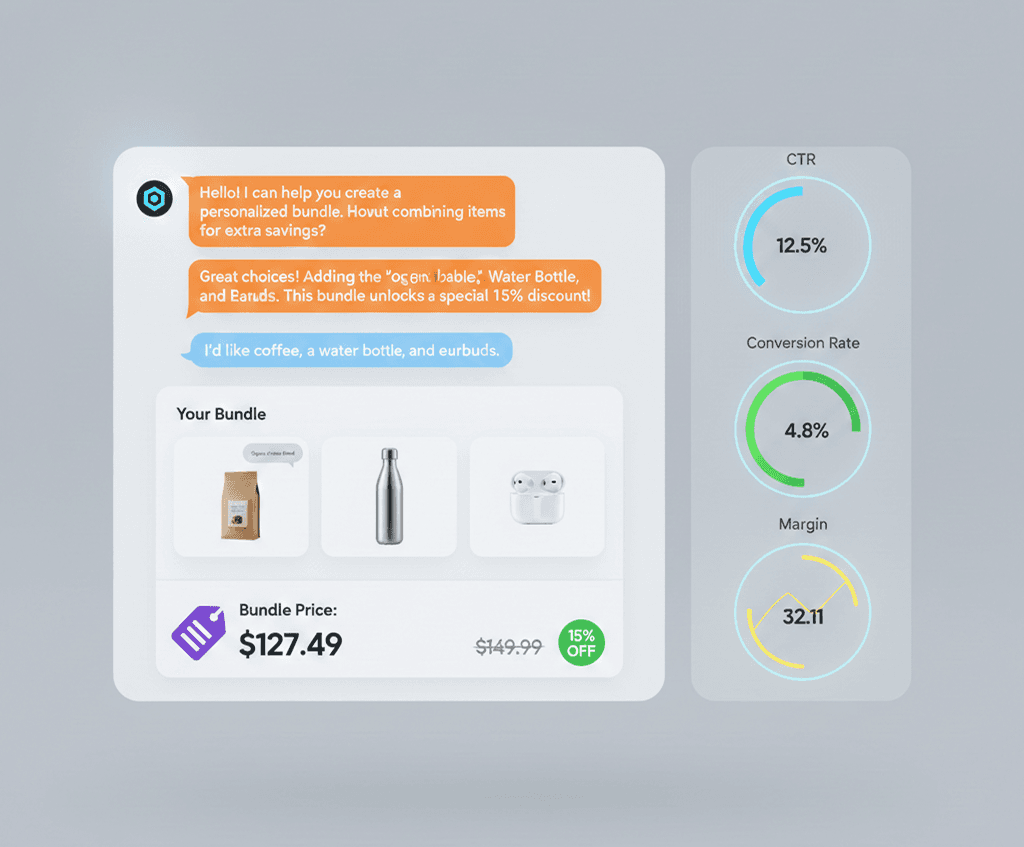
Agentic AI is moving from novelty to daily habit. Commerce sites and search experiences are building assistants that ask clarifying questions, assemble bundles, and trigger timely offers. What this means for you is simple. Products and content must be structured for machines to understand, not just humans to read. For a deeper foundation on where AI is already delivering value, bookmark AI in E-commerce: Applications and Use Cases and pair it with The Evolution of AI in E Commerce.
Retail media gets conversational
Search results with static ad slots are giving way to interactive, AI guided shopping where promotions appear at the right moment in the dialog. Your play is to map shopper intent by stage and design offer logic that an assistant can understand. Think strategic use of coupons when objections arise, dynamic bundles when the agent detects complementary needs, and fast shipping promises when time is the blocker. For a forward look at how this changes your search strategy, read The AI Retail Search Shift in 2026.

Speed is a growth lever again
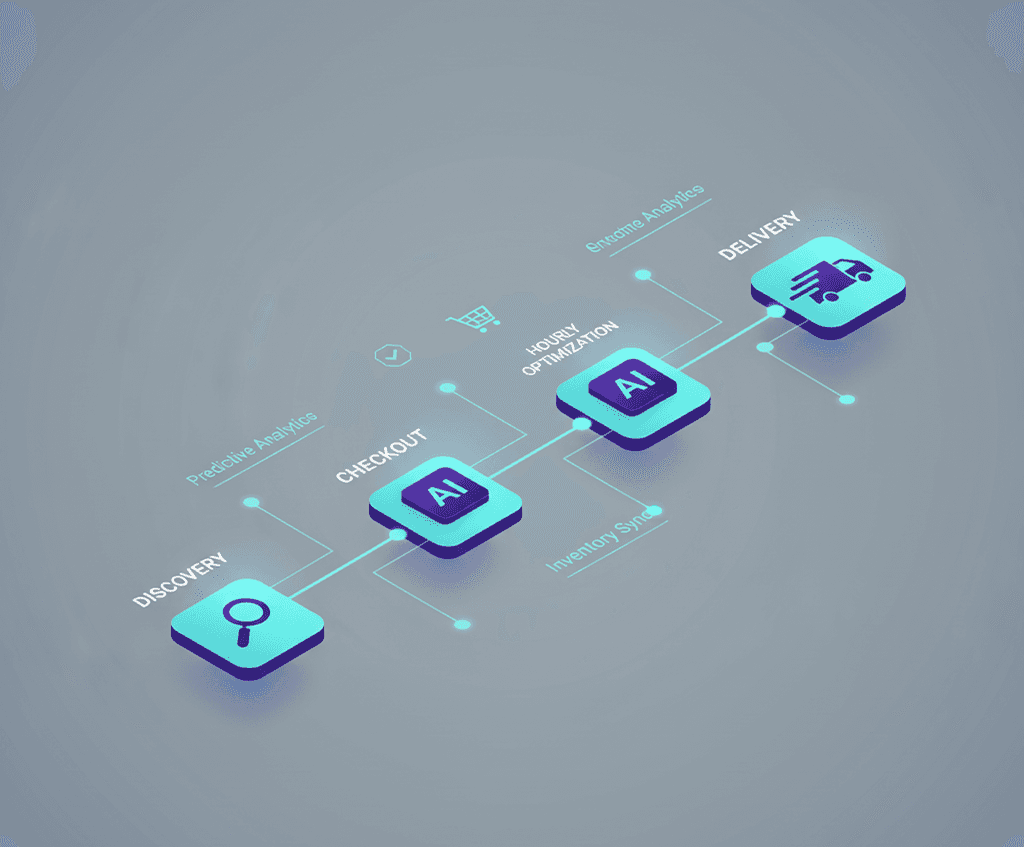
AI is reshaping retail experiences from discovery to last mile. Faster answers, faster delivery, and faster reconciliation of inventory and pricing are the new baseline. Teams that operationalize this speed at the analytics and execution layer will compound gains over the next twelve months. If your content pipeline is the bottleneck, this tutorial on Crafting Effective AI Powered Product Listing Descriptions will help you scale quality without sacrificing clarity.
The content that agents crave
Agents reward clarity. Start with titles and bullets that resolve the top three buyer questions. Layer in authentic reviews, strong comparison tables, and scenario photos that answer when and how to use the product. For a step by step walkthrough of page anatomy and conversion cues, work through Product Page Optimization and then explore how AI can personalize blocks of copy with the playbook on AI in E-commerce.
The media mix that actually scales in 2026
Retail media is still the backbone for predictable demand capture, but growth now depends on orchestrating upper funnel social and creator traffic with marketplace conversion. The 2026 tweak is to plan creative and offers specifically for agentic handoffs, not just for static search. If you are tightening the lower funnel, revisit An Introduction to Pay Per Click Paid Advertising and the guide to Streamlining Success with Amazon Ad Automation. When peak season planning rolls around, compare notes with The Q4 PPC Playbook for Profitable Growth.
Forecasting, but practical
You do not need perfect foresight. You need fast foresight. Winners this year will balance value pricing with smarter margin management and resilient supply. That means bringing predictive analytics closer to the calendar realities of promotions, weather, and pay cycles, then adjusting media and price in sync. If marketplace expansion is on your roadmap, calibrate expectations with The 10 Biggest Challenges of Selling on Amazon and decide fit using Should Your Brand Sell on Amazon. For a holistic approach to ranking, PPC profit, and conversion, save Amazon Mastery in 2026.
How XENA Intelligence fits
XENA’s platform was built for this exact shift. Hourly campaign optimization helps you match the cadence of retail media auctions and chat triggered offers. Predictive analytics surface demand pockets before your competitors see them. And round the clock expert support means you can translate signals into action without slowing down. If you want a single place to explore all related topics and tutorials, head to the full XENA blog directory.
Your 30 day plan
Week one is instrumentation. Get product data structured, ensure your feed and pricing rules are clean, and align KPIs to contribution margin. Week two is acceleration. Launch conversational offer tests where assistants are active, add creative that anticipates objections, and set guardrails for return thresholds. Week three is amplification. Pair winning offers with top search intents and creator content. Week four is compounding. Automate hourly budget shifts based on predicted demand and inventory signals, then lock the learnings into your evergreen playbook.
The bottom line
AI is not a separate strategy anymore. It is the substrate of modern e-commerce. Treat agents as your new merchandising layer, treat retail media as a dynamic conversation, and treat speed as the growth lever that multiplies every other investment. If you align your data, offers, and ops around those truths, 2026 will be your year.